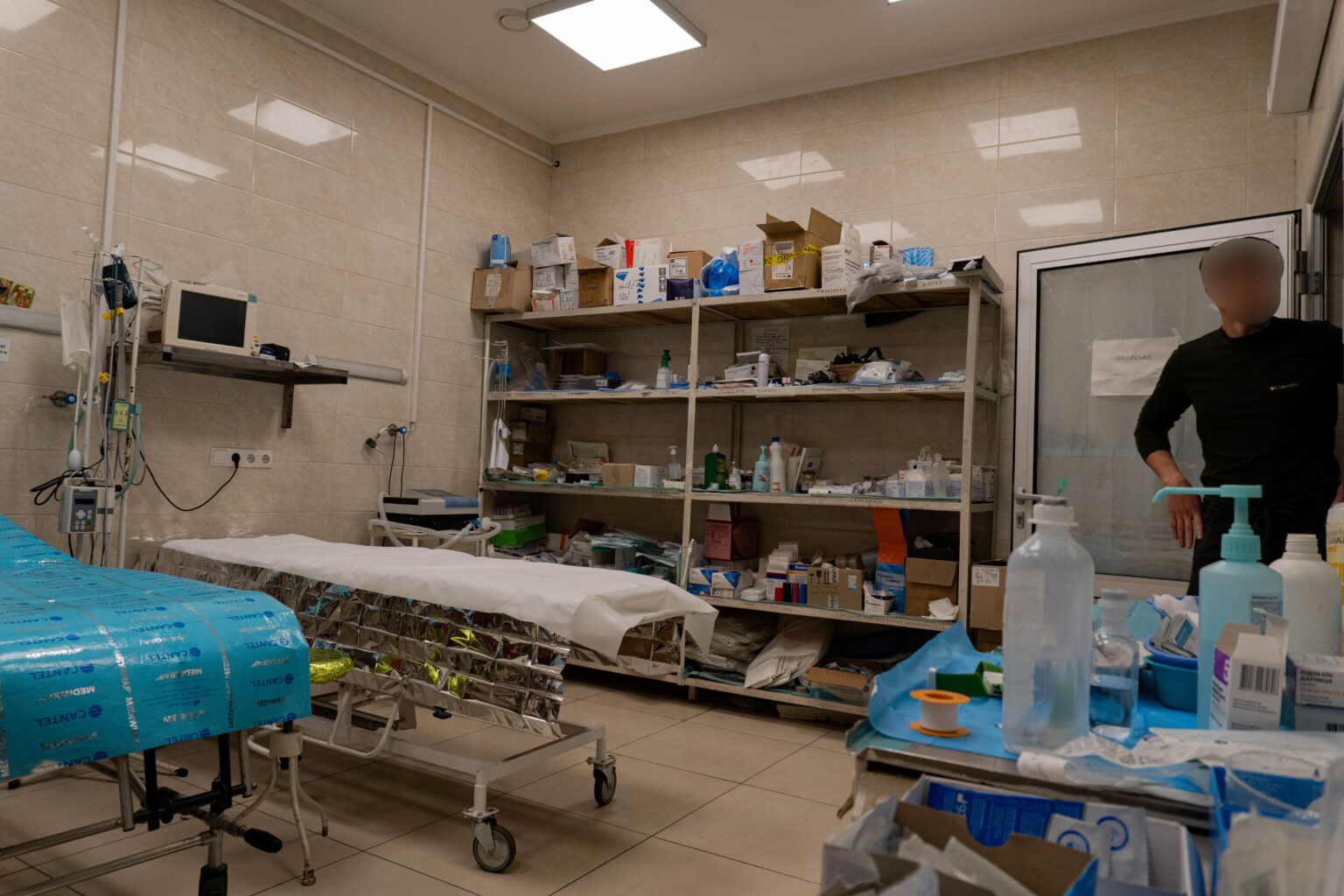
Sofiia* is a civilian anesthesiologist. Initially, nothing destined her to treat war casualties. Since 2022, she has had to adapt her practice to the realities of a front that draws ever closer.
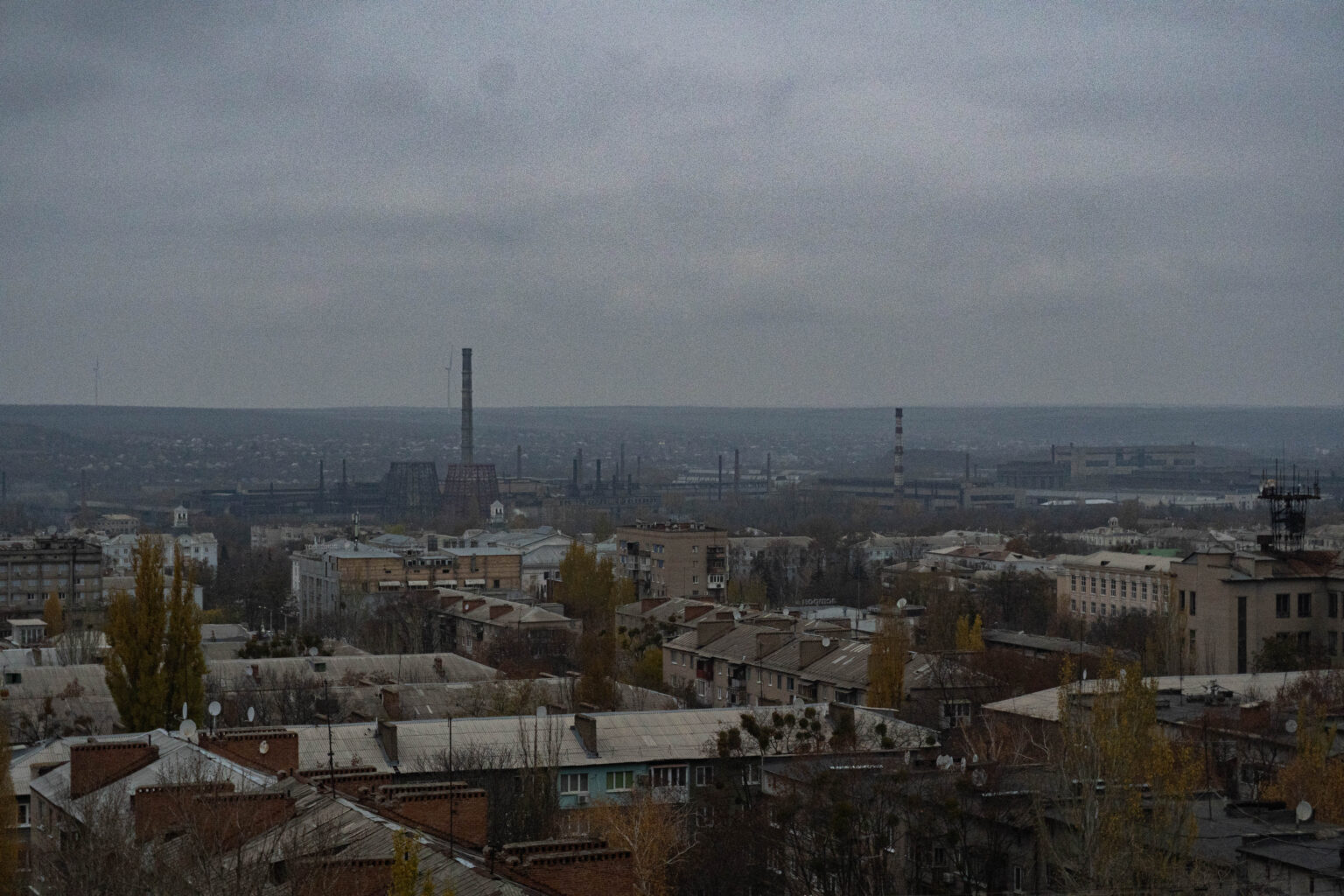
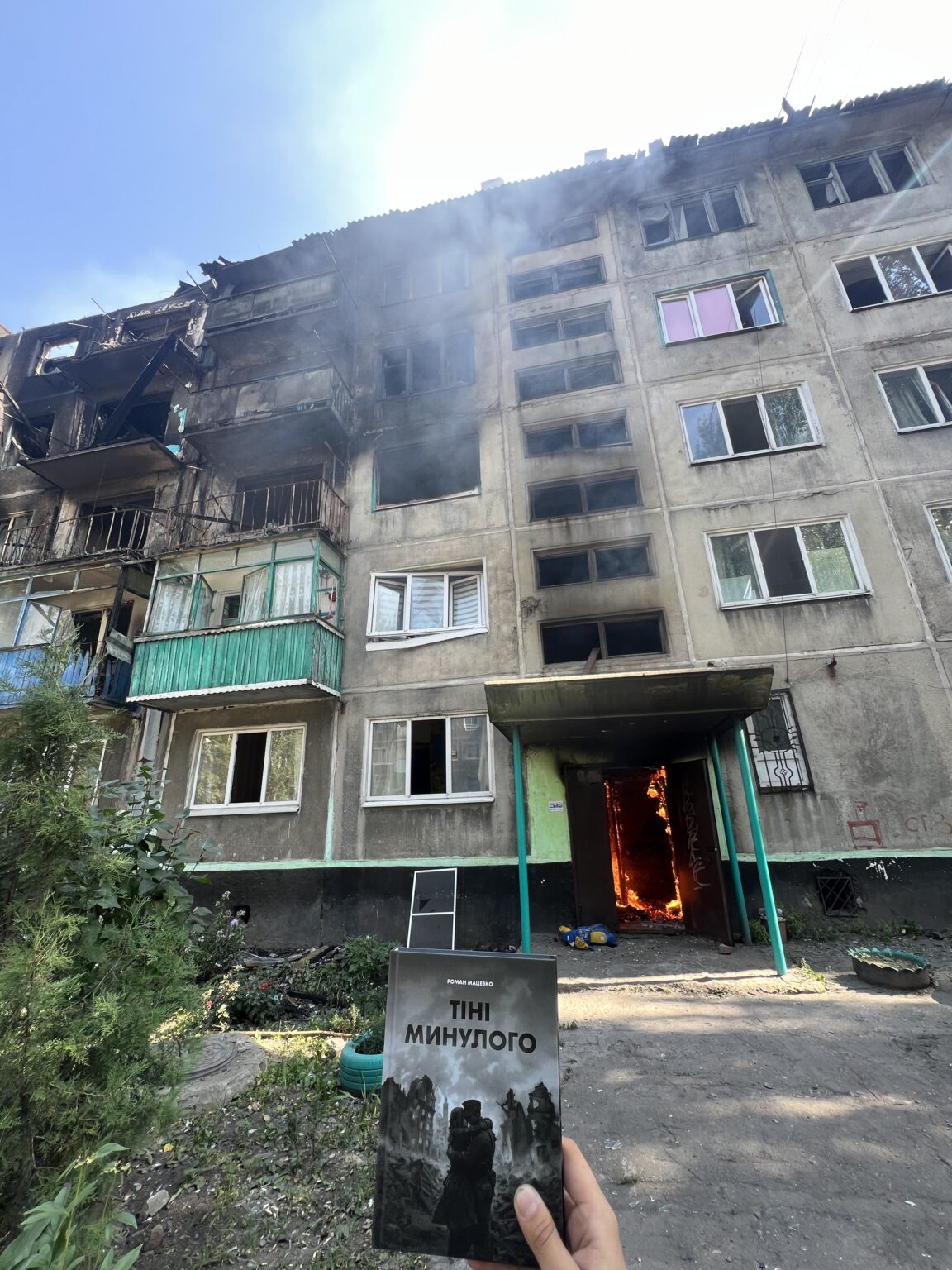
Kramatorsk is a « frontline city, » meaning it is close to the front lines and endures daily Russian shelling. In this context, I spent nearly four weeks interviewing the city’s residents—civilians, volunteers, and military personnel—who agreed to share their stories.
Portraits as well as fragments of lives from Ukraine; raw, sometimes fragile, always sincere. These are stories collected in the tumult, sometimes noisy and explosive, often silent and insidious. Always at man’s hight, precisely where silences and gestures play out; modest stories worthy of being told.
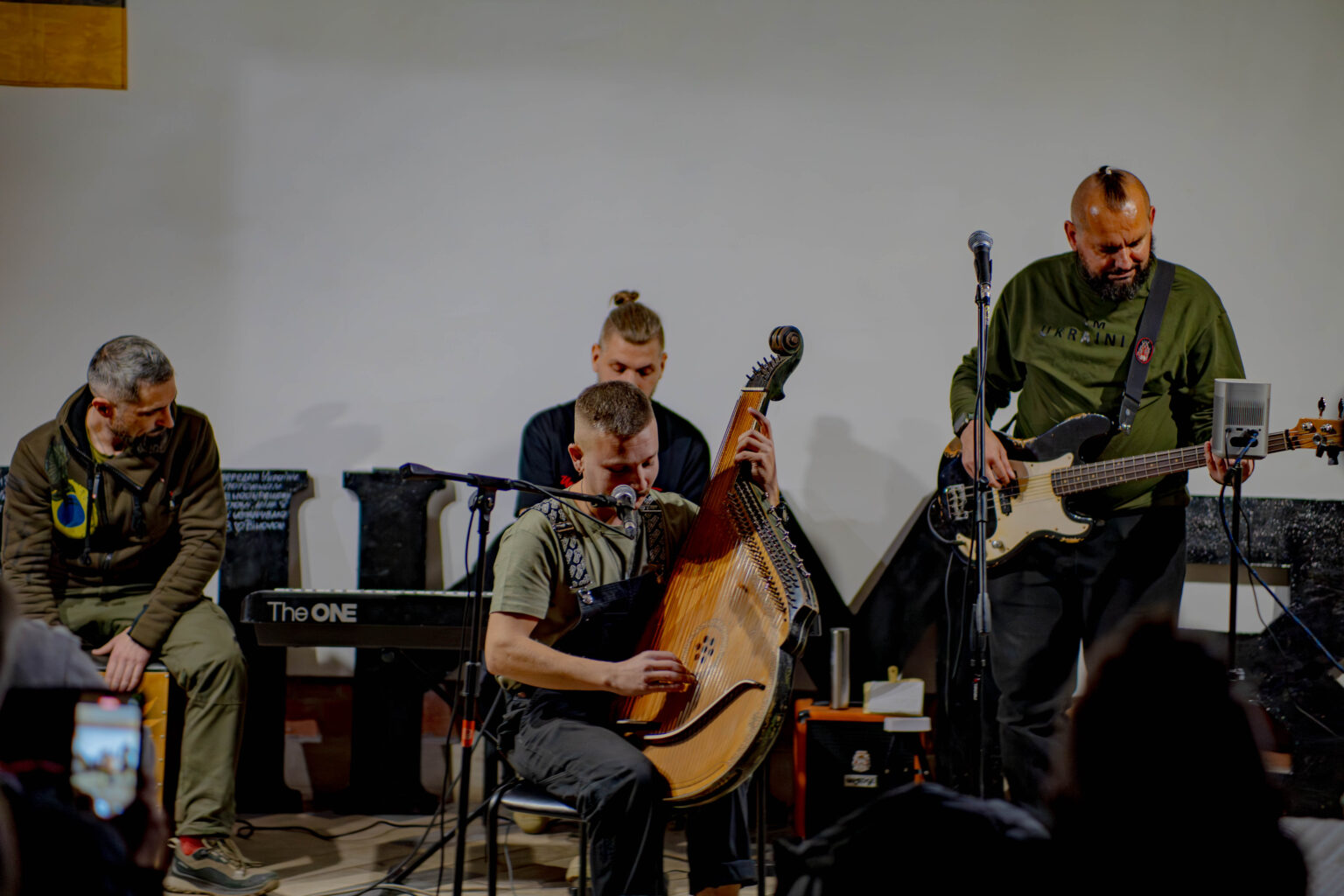
Ukraine is facing Clausewitz’s “total war.” For Ukrainians, Russia seeks to erase their country’s identity. As a result, Ukrainians are mobilising all their resources to fight, including art.
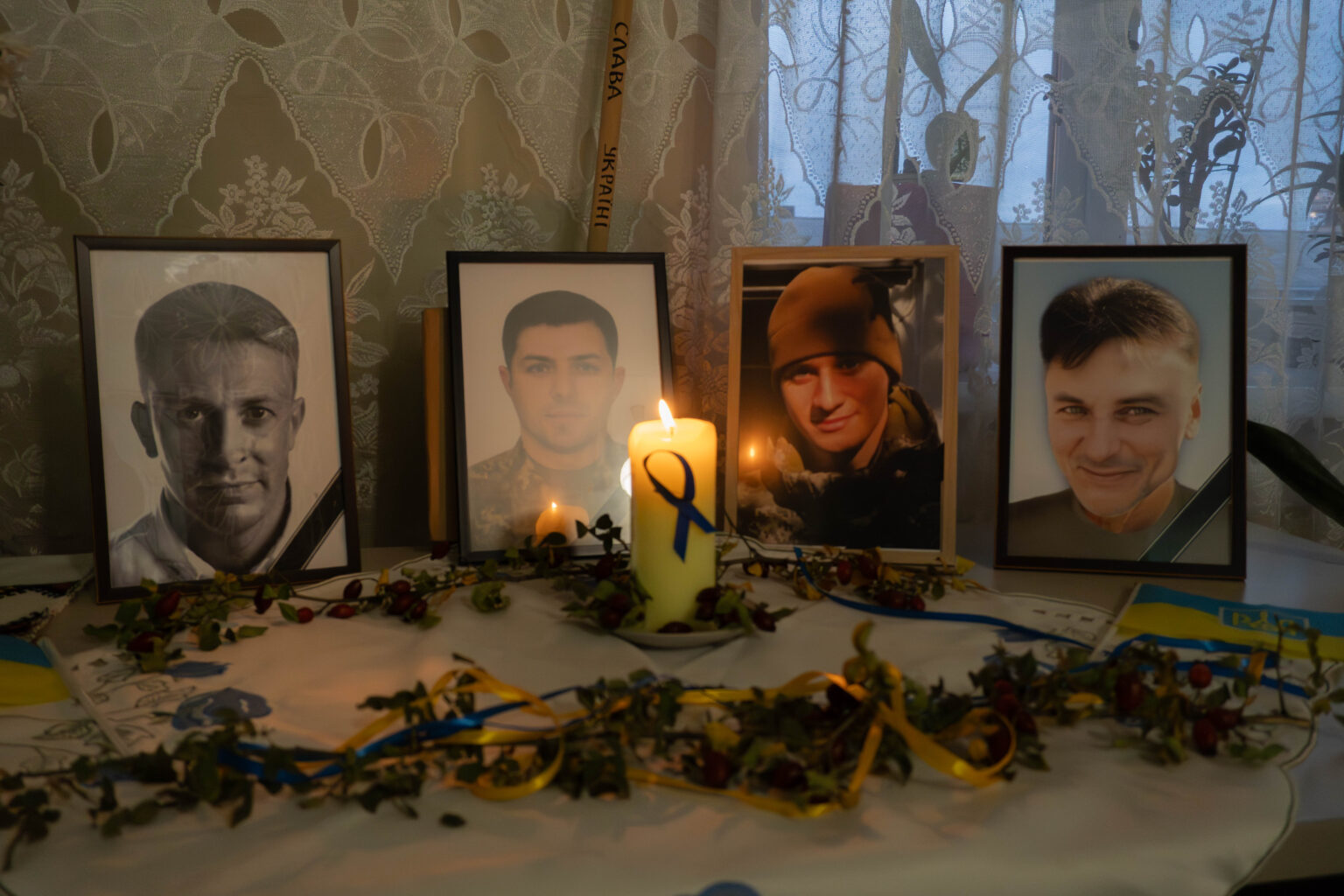
Drawing closer to the front means drawing closer to those who fight—and those who fall. Commemorations allow families and soldiers to remember their loved ones. Attending a military requiem is a way to bear witness to their loss, their grief, and their longing for justice.
It’s early morning when Aleksandr—known as Sacha to friends—prepares his coffee. Sacha is a volunteer at Hell’s Kitchen, in Kharkiv; this volunteers’ kitchen prepares meals for both civilian and military hospitals in the city. Today, Sacha oversees deliveries.
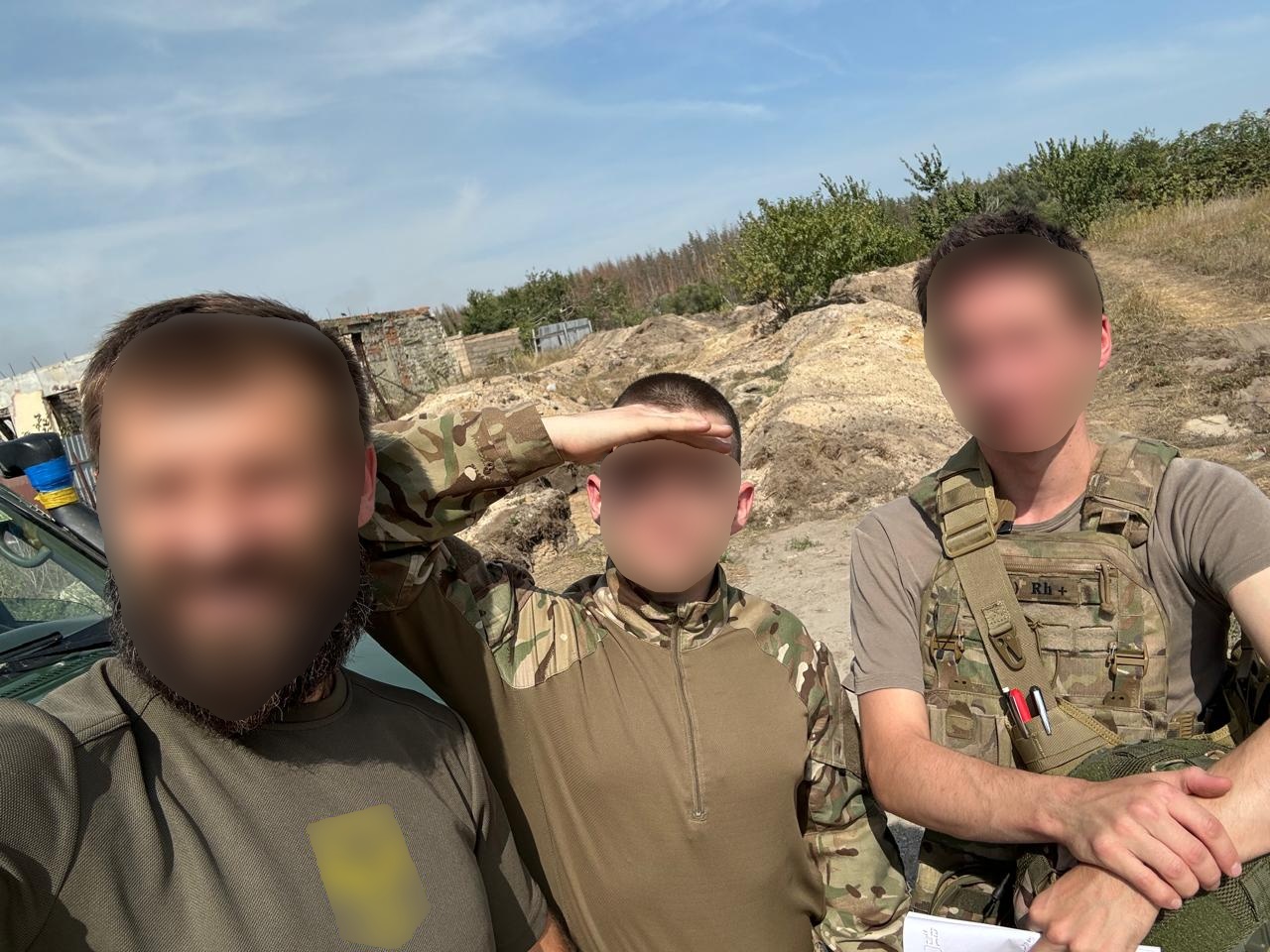
Yourii* is a drone operator. At the bar, he talks about his deployments. « When a bomb explodes too far away, it disappoints me. I prefer when they explode close, » he comments. For Varvara, a psychology student, the addiction to adrenaline is just one of the psychological consequences of the war in Ukraine.
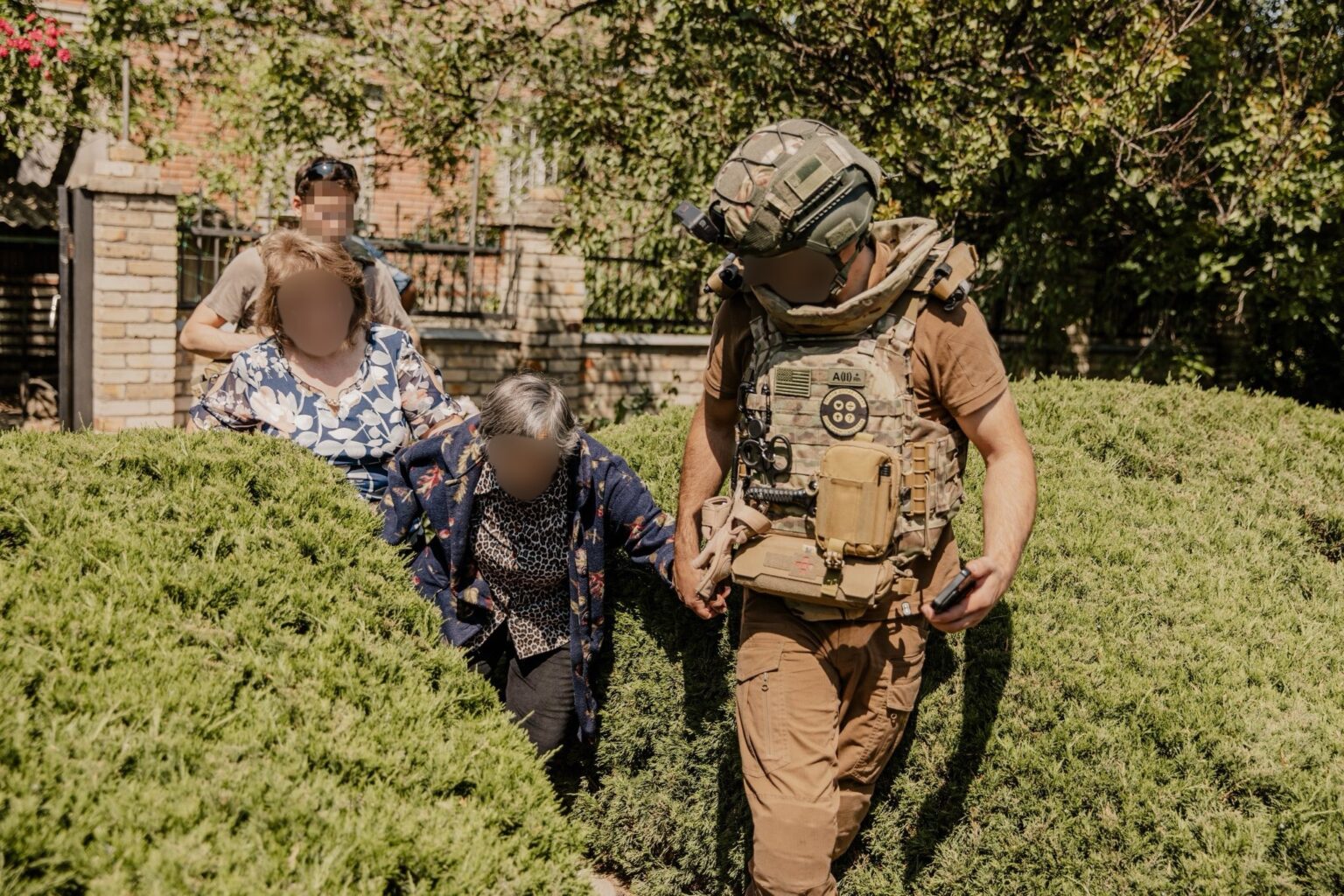
In Ukraine, the world of volunteers attracts all kinds of motivations. For some, evacuating civilians from the front lines under the threat of FPV drones is a vocation guided by divine Providence.
At man’s height, between the lines — Little Frenchy