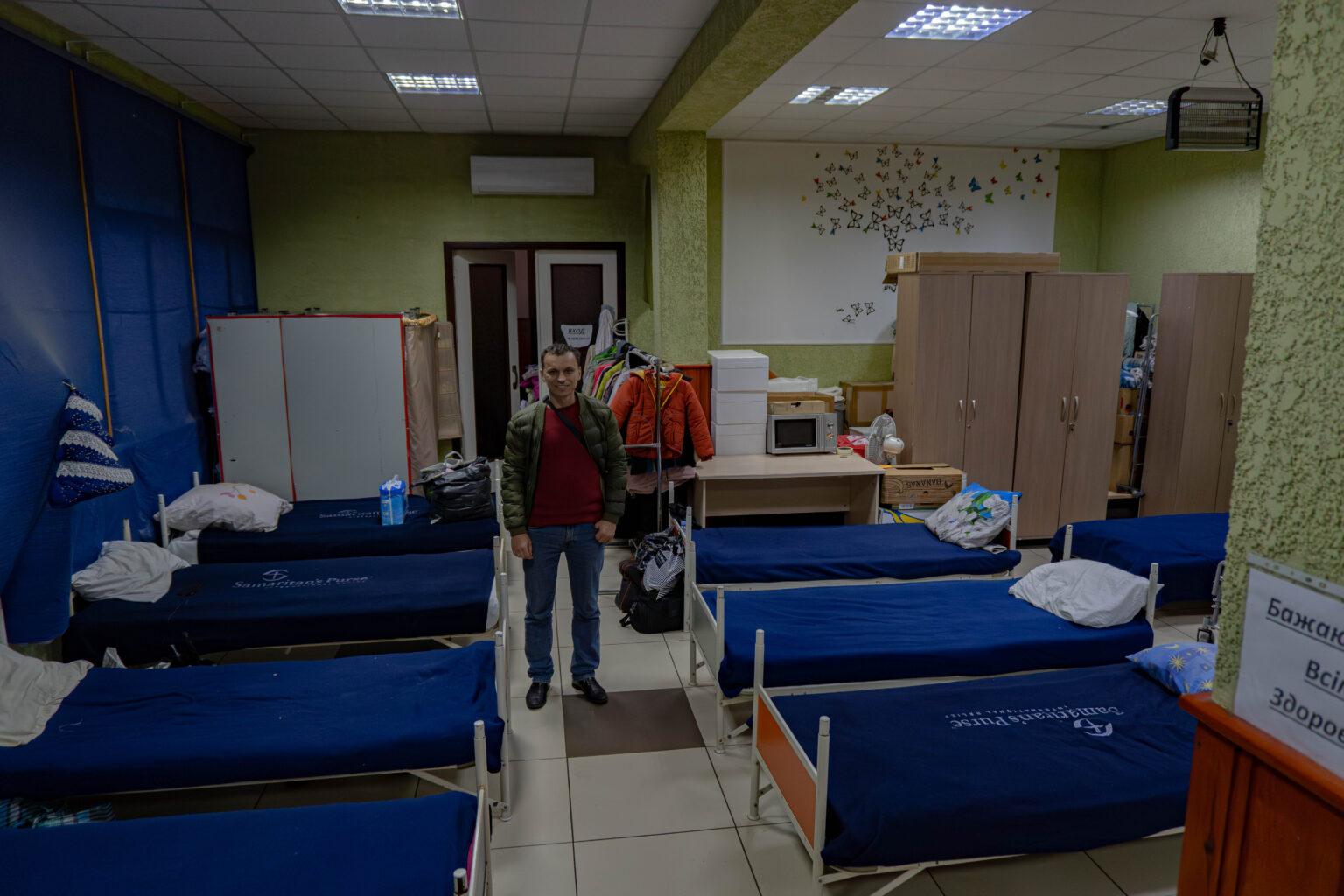
The front line continues to creep closer to Kramatorsk, meter by meter, relentlessly. In his church, Pavenka, a Protestant pastor, sees the war as both a humanitarian struggle and a spiritual trial.
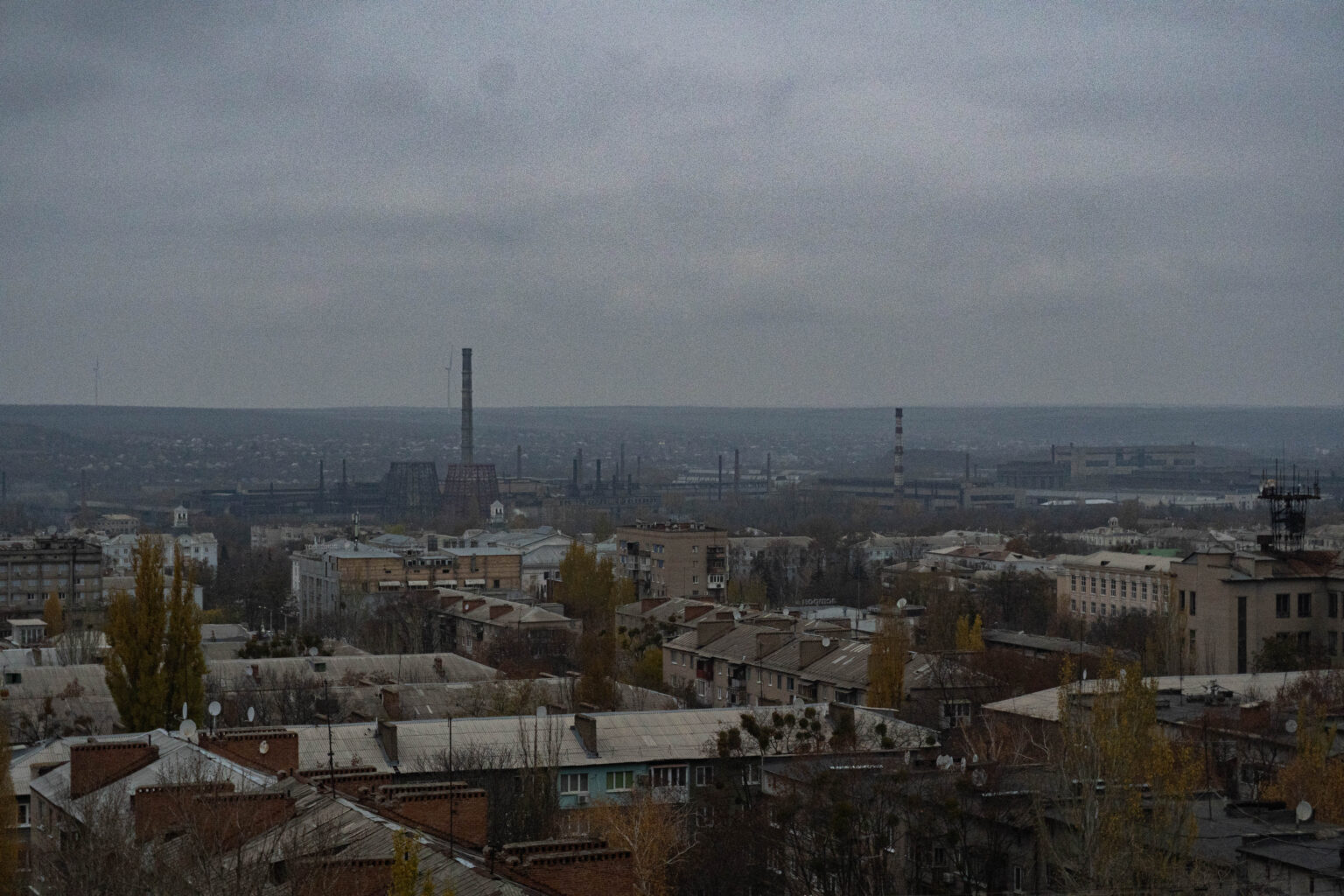
Kramatorsk is a « frontline city, » meaning it is close to the front lines and endures daily Russian shelling. In this context, I spent nearly four weeks interviewing the city’s residents—civilians, volunteers, and military personnel—who agreed to share their stories.
Portraits as well as fragments of lives from Ukraine; raw, sometimes fragile, always sincere. These are stories collected in the tumult, sometimes noisy and explosive, often silent and insidious. Always at man’s hight, precisely where silences and gestures play out; modest stories worthy of being told.
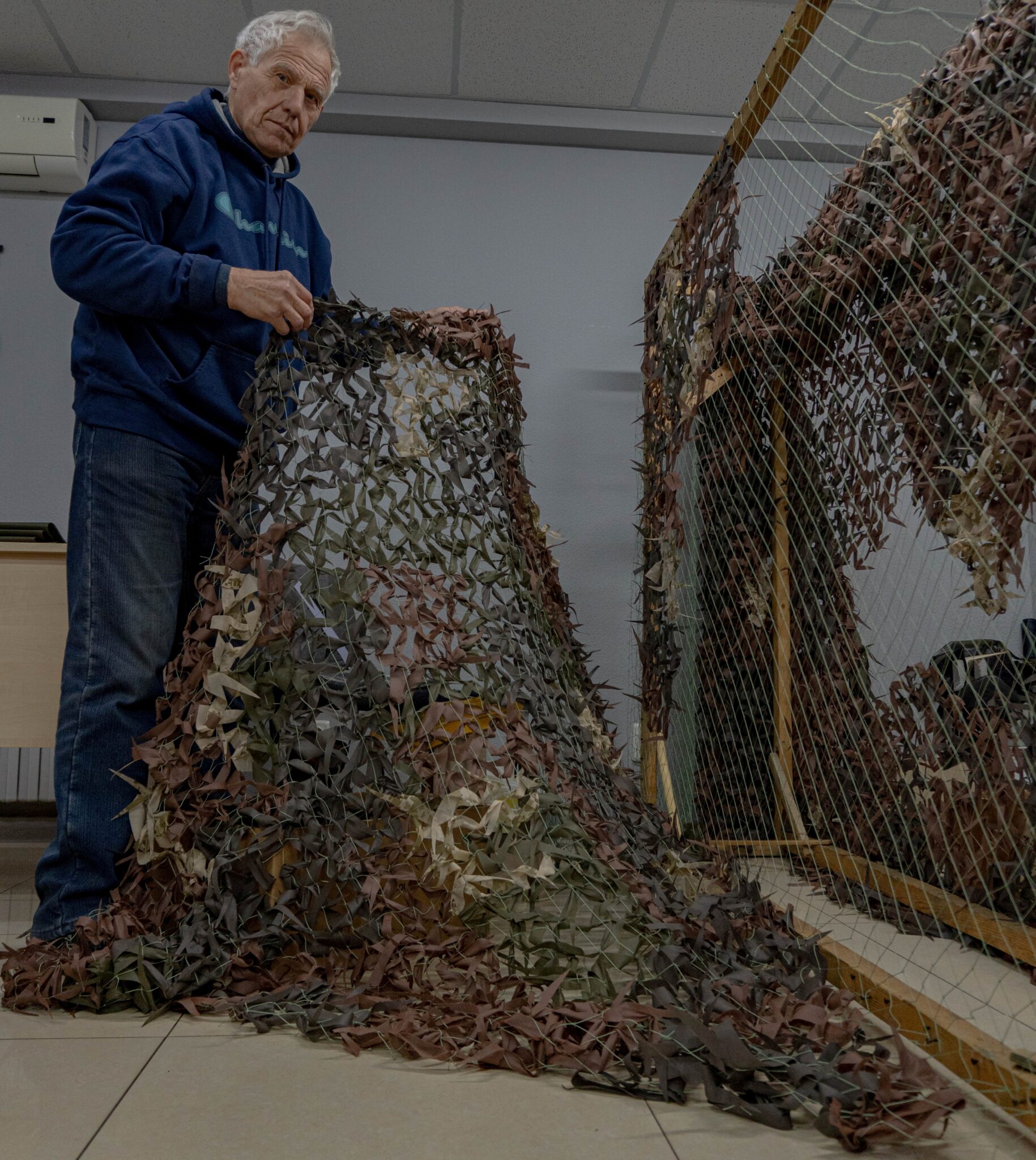
For some, war has overtaken every aspect of daily life; it has become a reason to exist. Regardless of age, even elderly people contribute to the war effort. In Kramatorsk, some dedicate their time to making camouflage nets for soldiers.
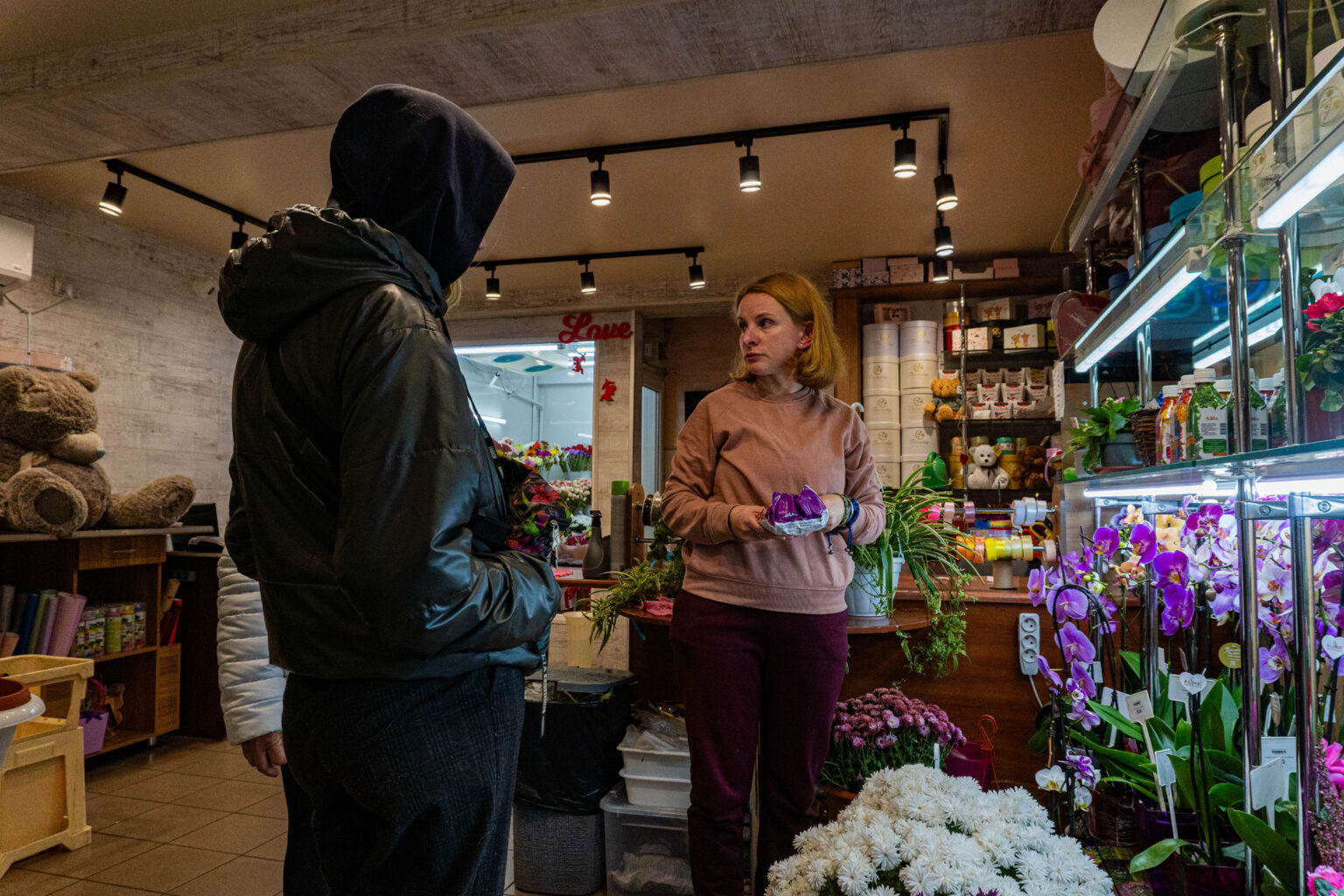
Natalia is a sales assistant in a flower shop in Kramatorsk, where she was born in 1985 and has lived her entire life. As an active shopkeeper, she recounts the daily life of a besieged city — a life shared between soldiers and civilians, punctuated by explosions.
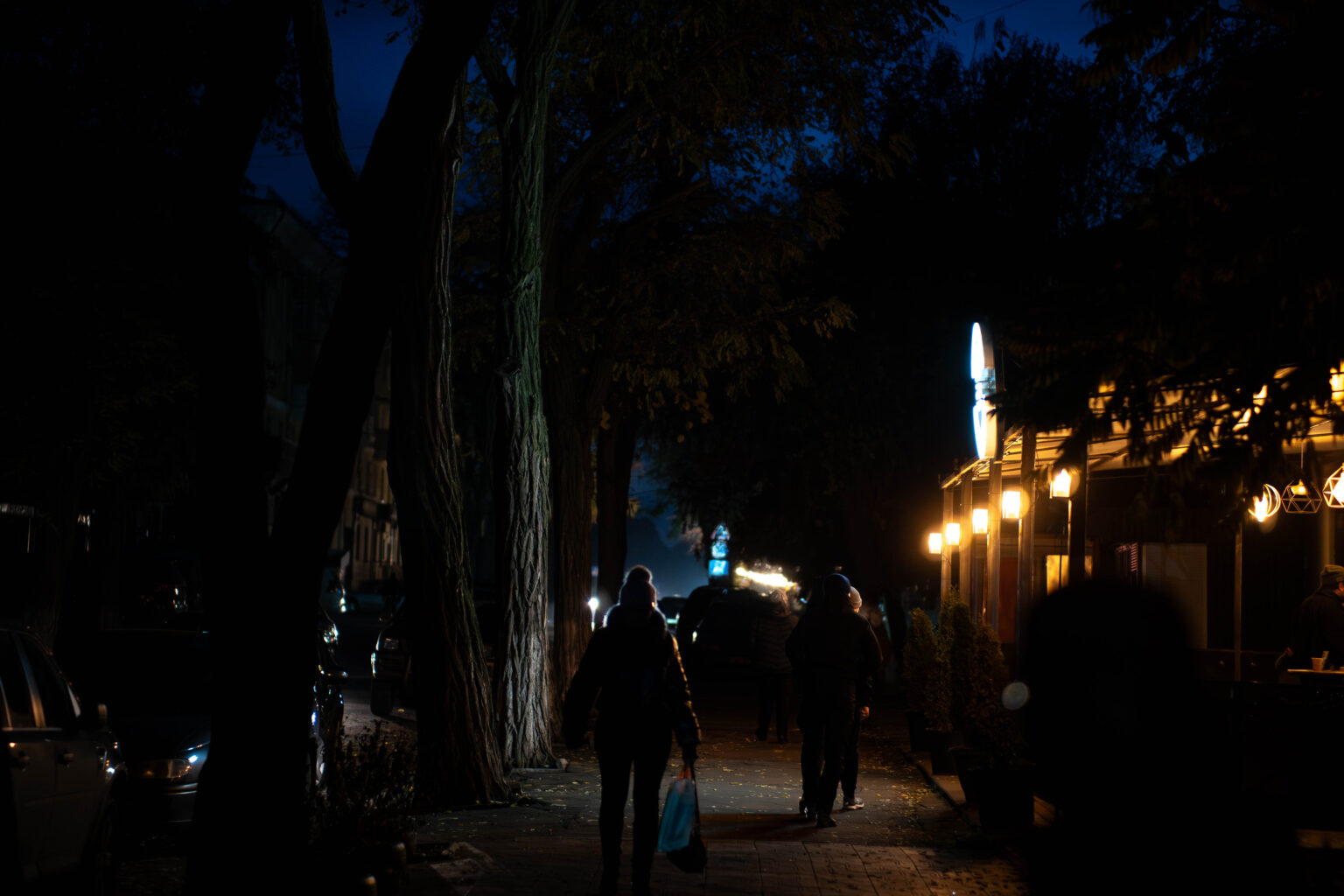
As winter approaches, Russian forces strike Ukraine’s energy infrastructure. In Kramatorsk, despite the population’s resilience, these attacks remain a source of pain that residents endure with restraint.
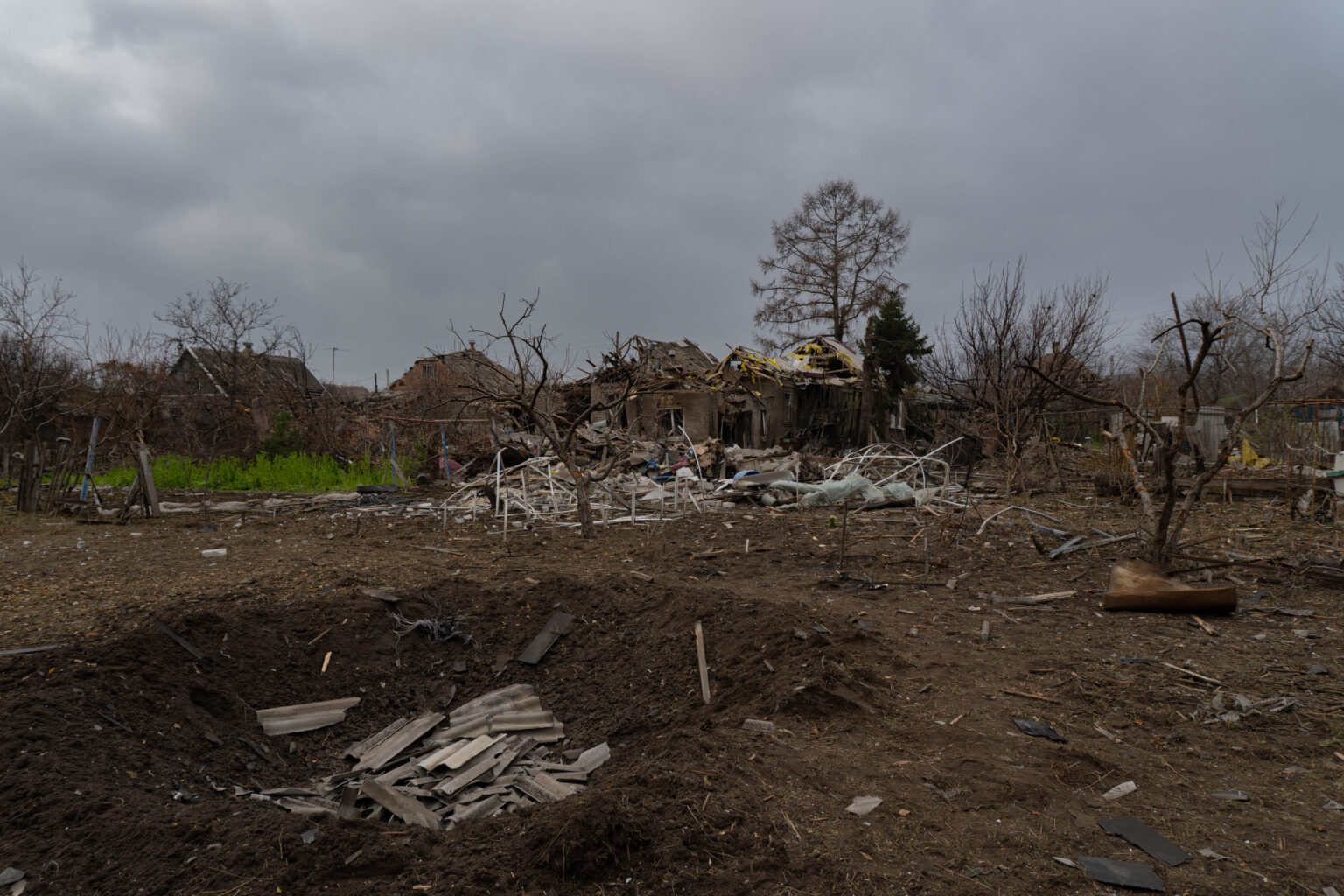
“There was a strike last night in my street,” my translator writes to me in the morning. A message, above all, of relief, though hardly surprising. “Come, I will show you now,” she decides when we meet later that morning.
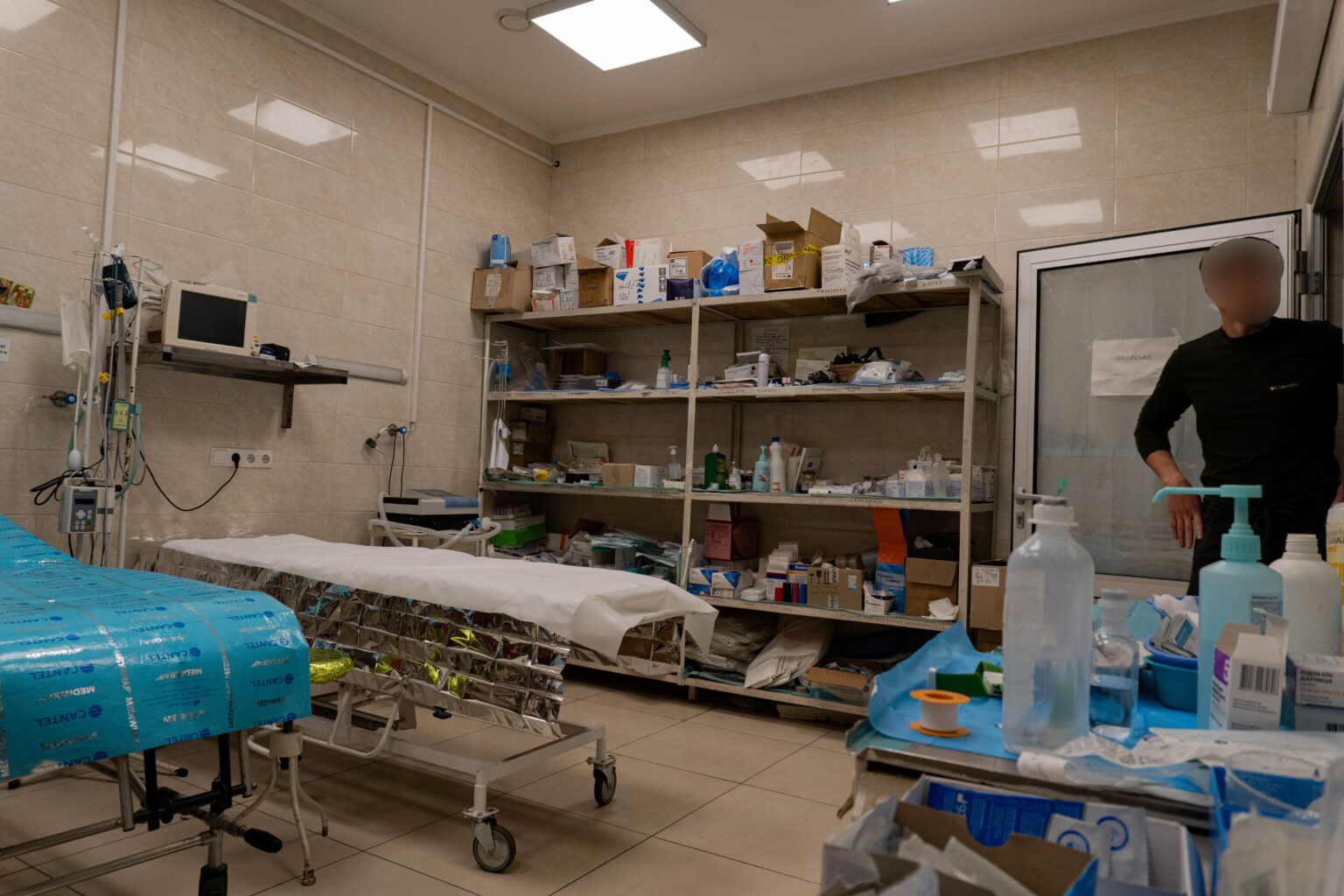
Sofiia* is a civilian anesthesiologist. Initially, nothing destined her to treat war casualties. Since 2022, she has had to adapt her practice to the realities of a front that draws ever closer.
At man’s height, between the lines — Little Frenchy