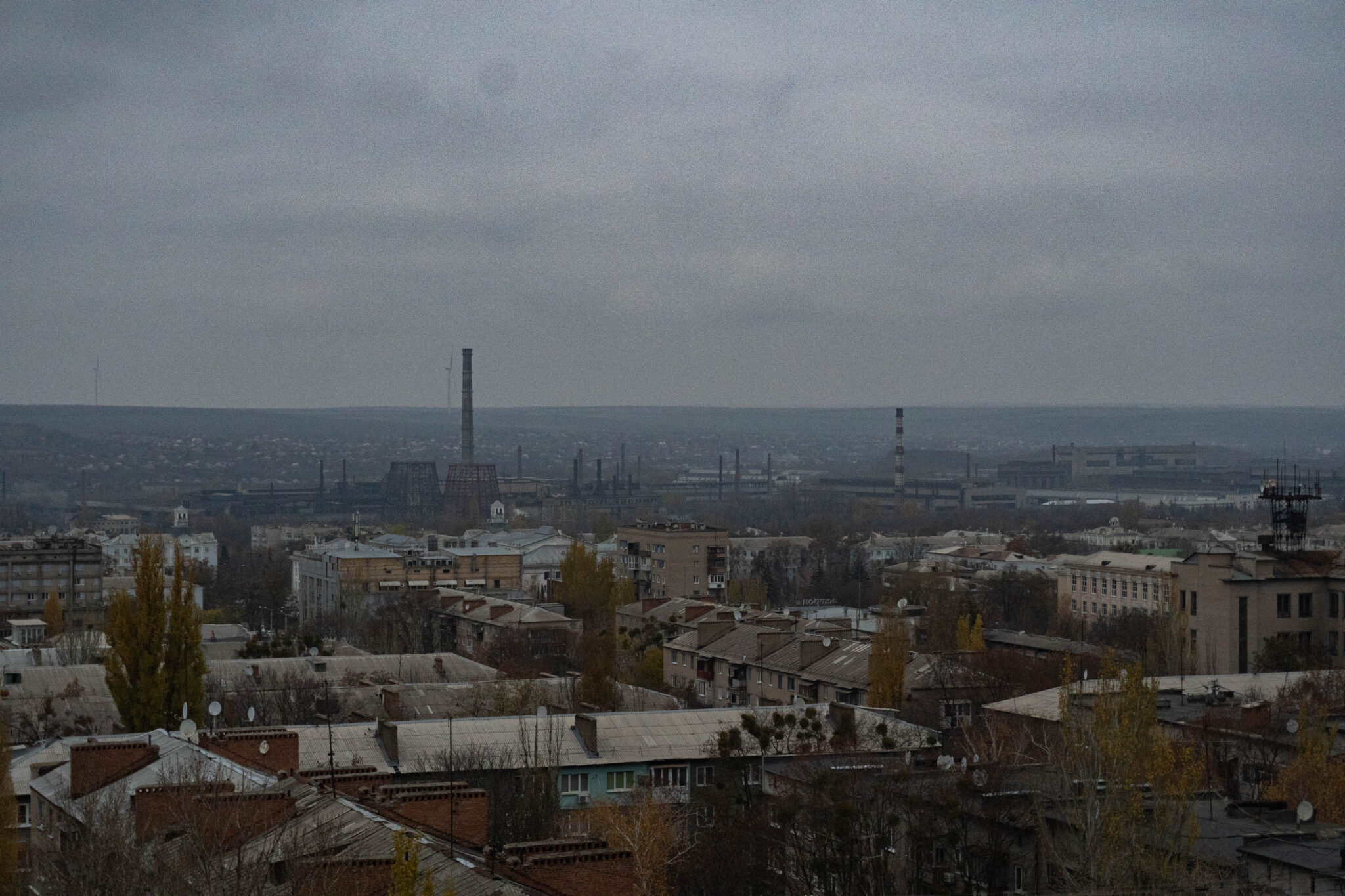
Kramatorsk is a « frontline city, » meaning it is close to the front lines and endures daily Russian shelling. In this context, I spent nearly four weeks interviewing the city’s residents—civilians, volunteers, and military personnel—who agreed to share their stories.
Kramatorsk, an encircled city
All project participants agree: the situation in Kramatorsk is deteriorating. During the investigation period, the railway station was permanently closed, as train travel became too dangerous.
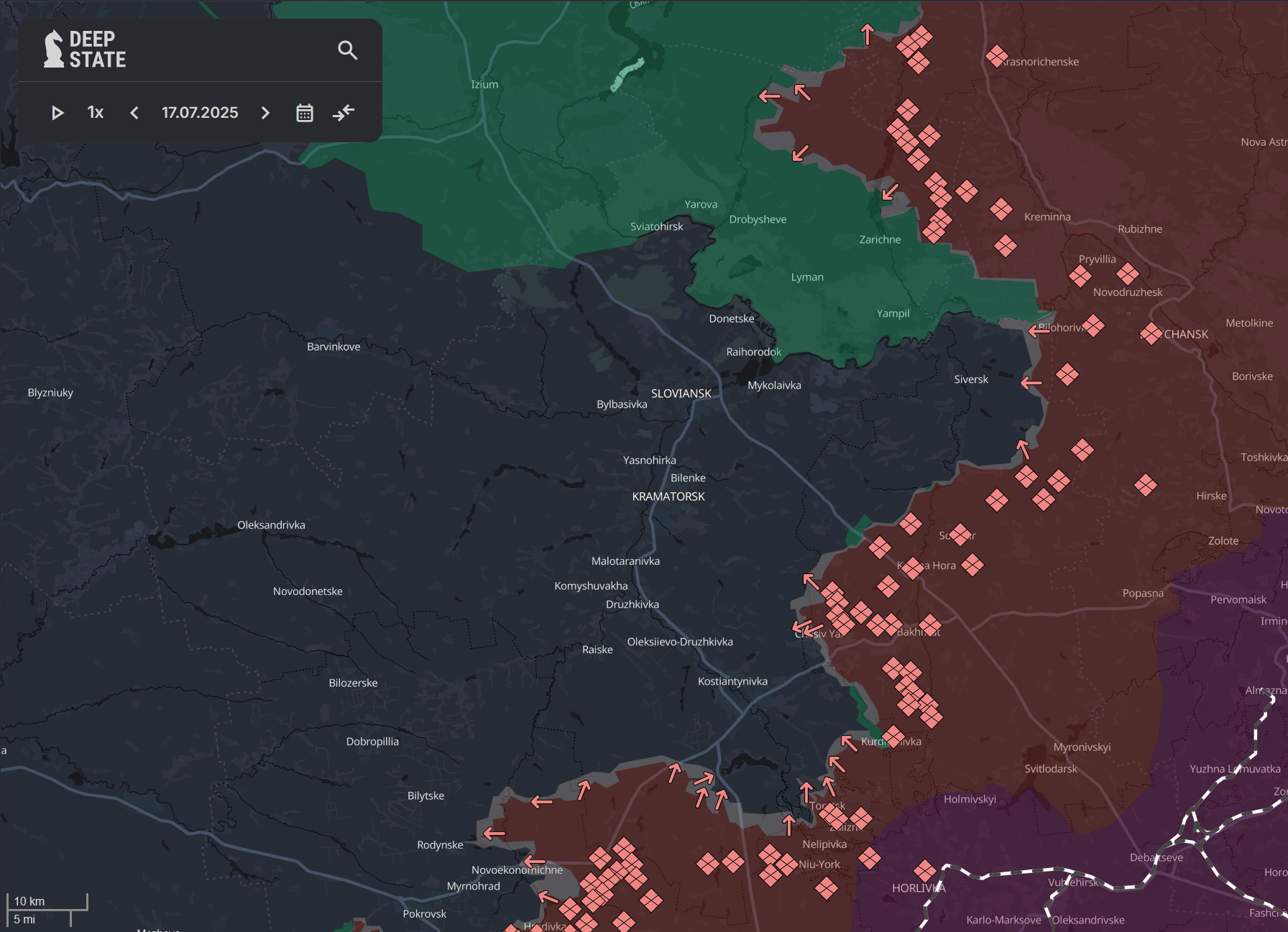
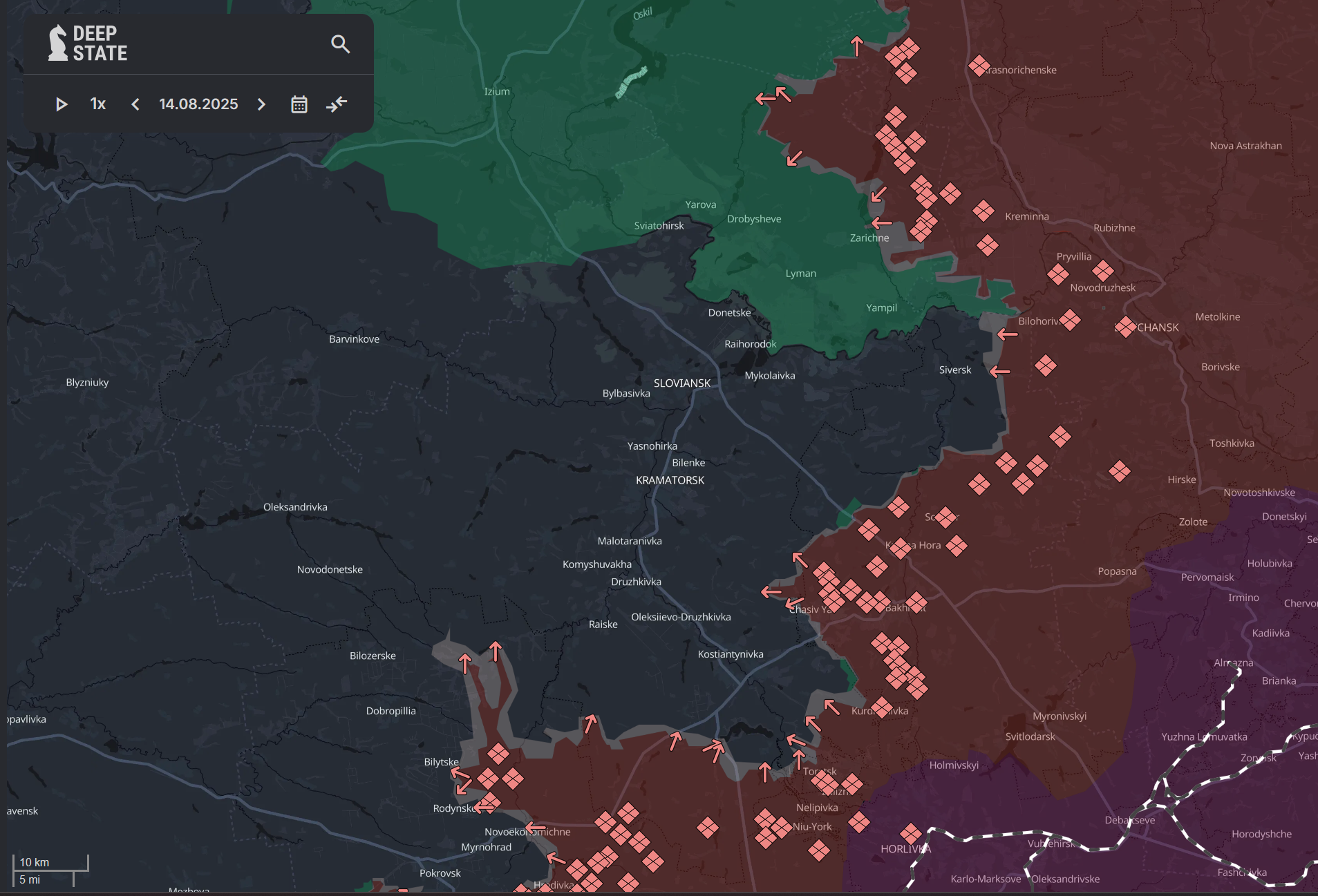
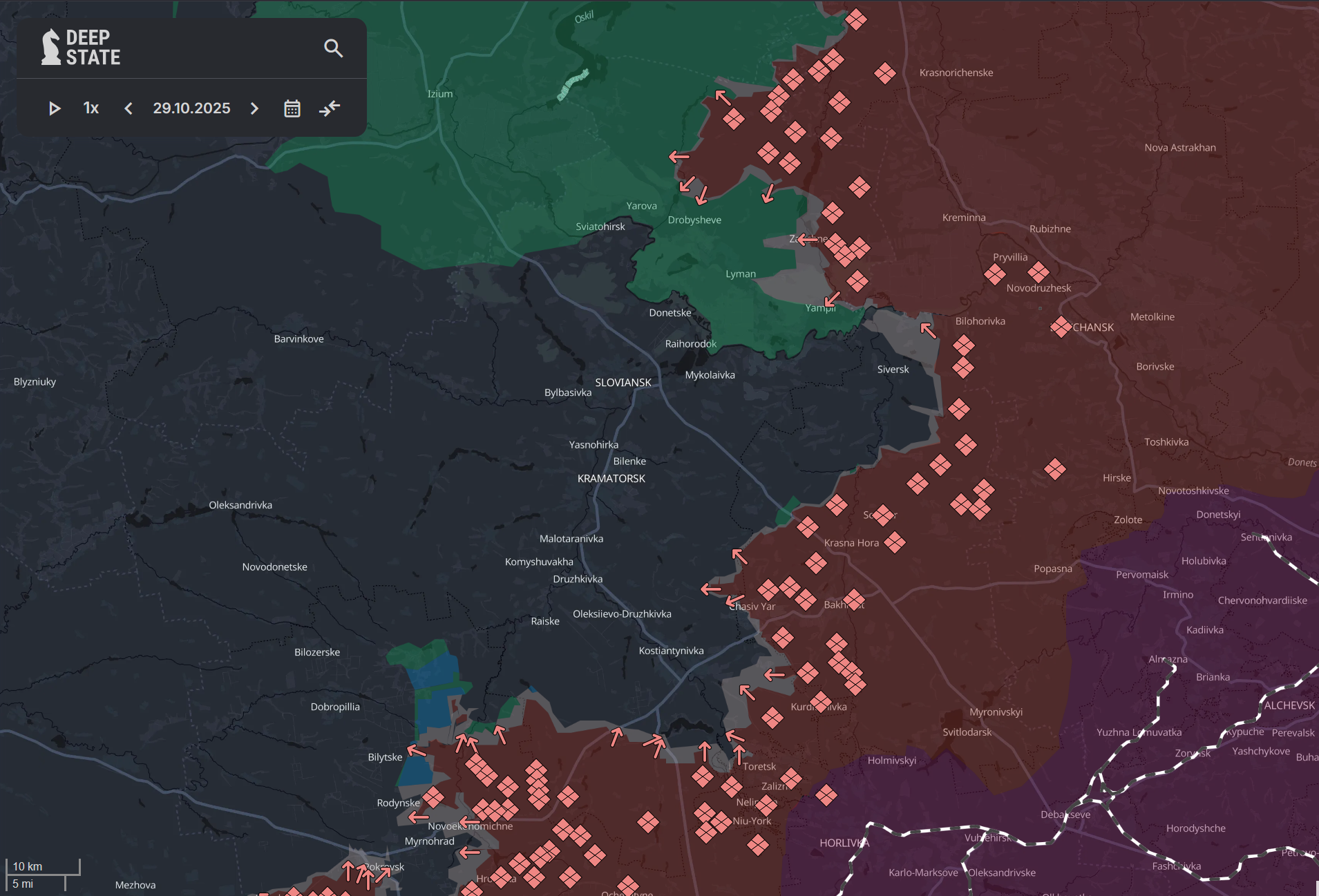
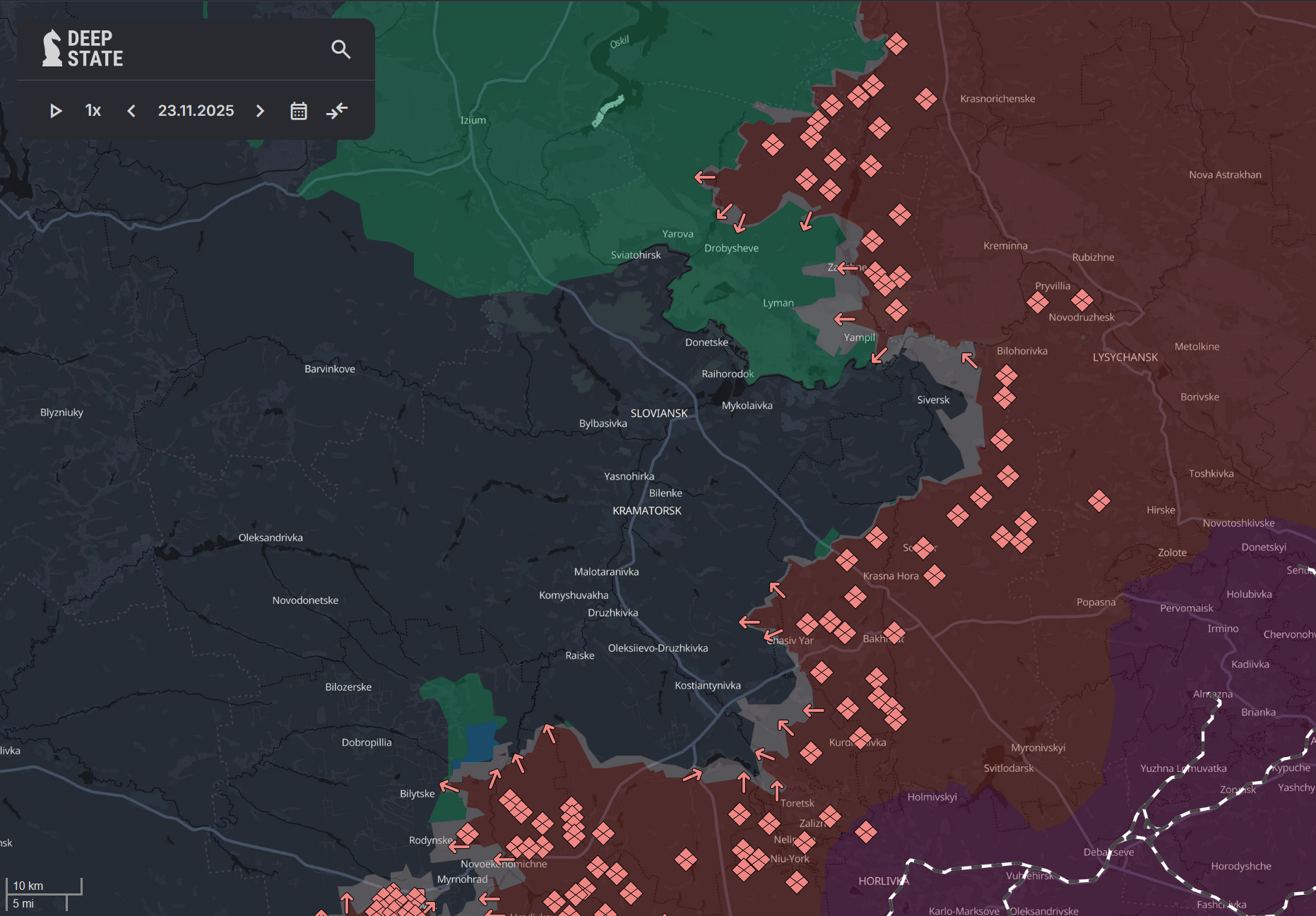
On maps, a large pocket forms around the city, and the communication route from Izium, in the northwest, fell within reach of FPV drones. In this operational zone, Kramatorsk plays a central role as a garrison city—a logistical hub for the military and volunteers.
Kramatorsk area at the beginning of summer 2025
Russian push toward Dobropilia, a key garrison city, in early August 2025
Area of Kramatorsk at the beginning of the project
By the end of the project, the Russians have reinforced their positions in the north and have set a bridge head in Kostiantynivka
Civil life, a resilient facade
Despite the danger, civilian life continues. Restaurants serve customers, hair and nail salons remain open, and shops operate as usual. Sitting with a coffee, one could almost forget the war.
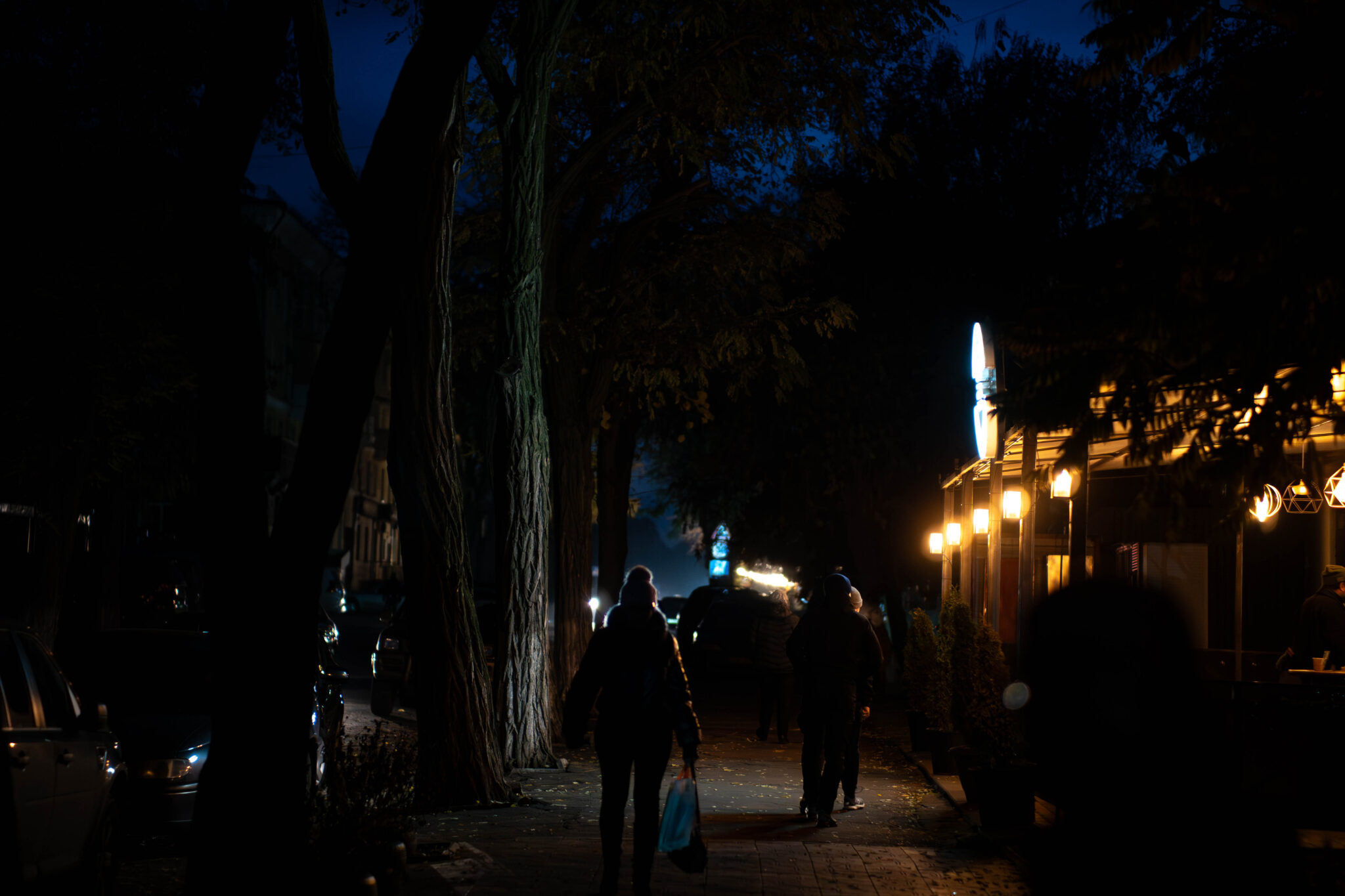
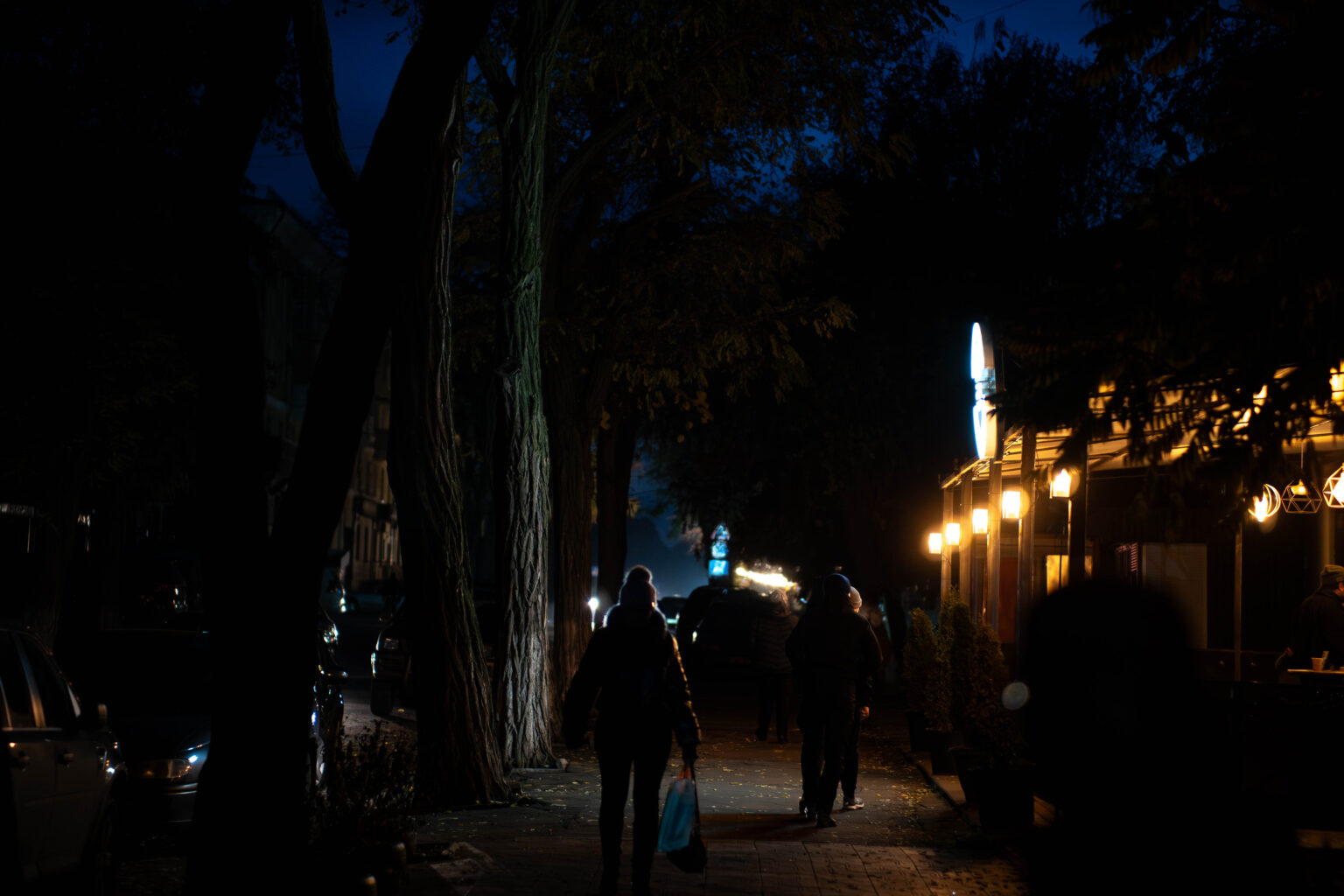
However, behind this facade of normality, the front line is ever-present. At 8 p.m., all businesses close. Curfew is at 9 p.m., and public lighting is turned off. In apartment blocks, between half and two-thirds of the windows are dark—the city is partially empty.
Kramatorsk street during a blackout, only shops have their lights turned on due to generators
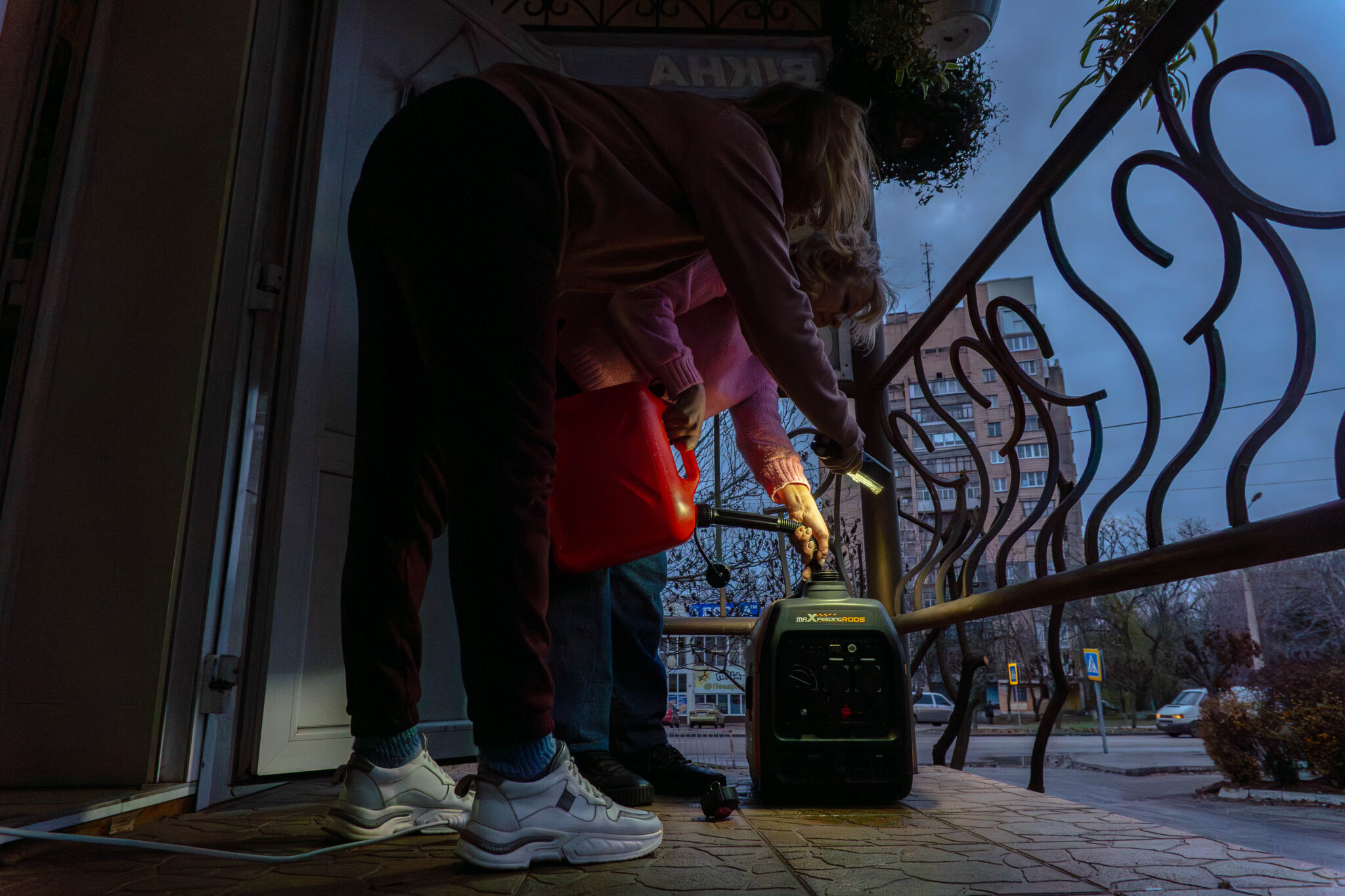
Shopkeepers starting their generator after a blackout started
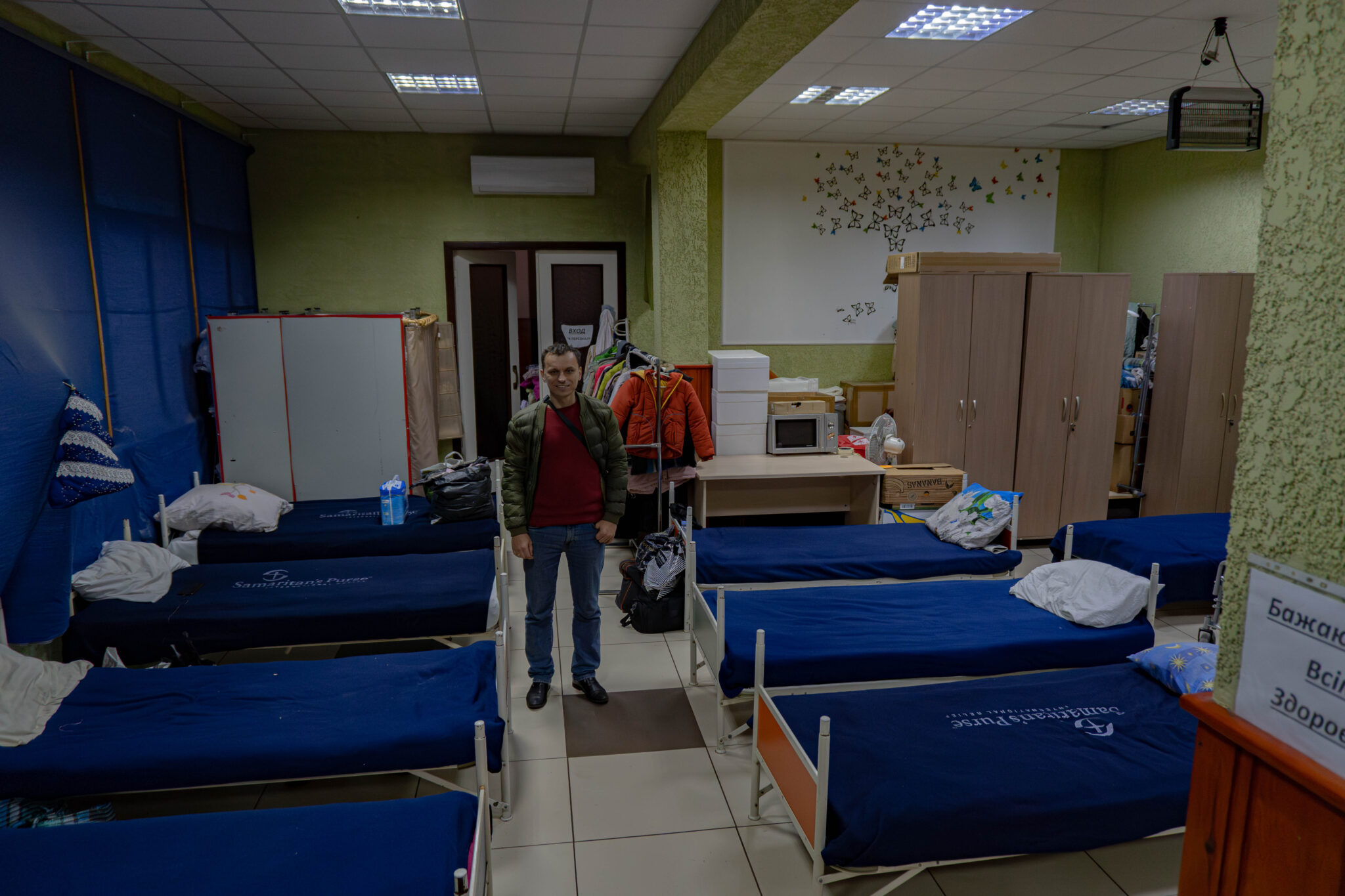
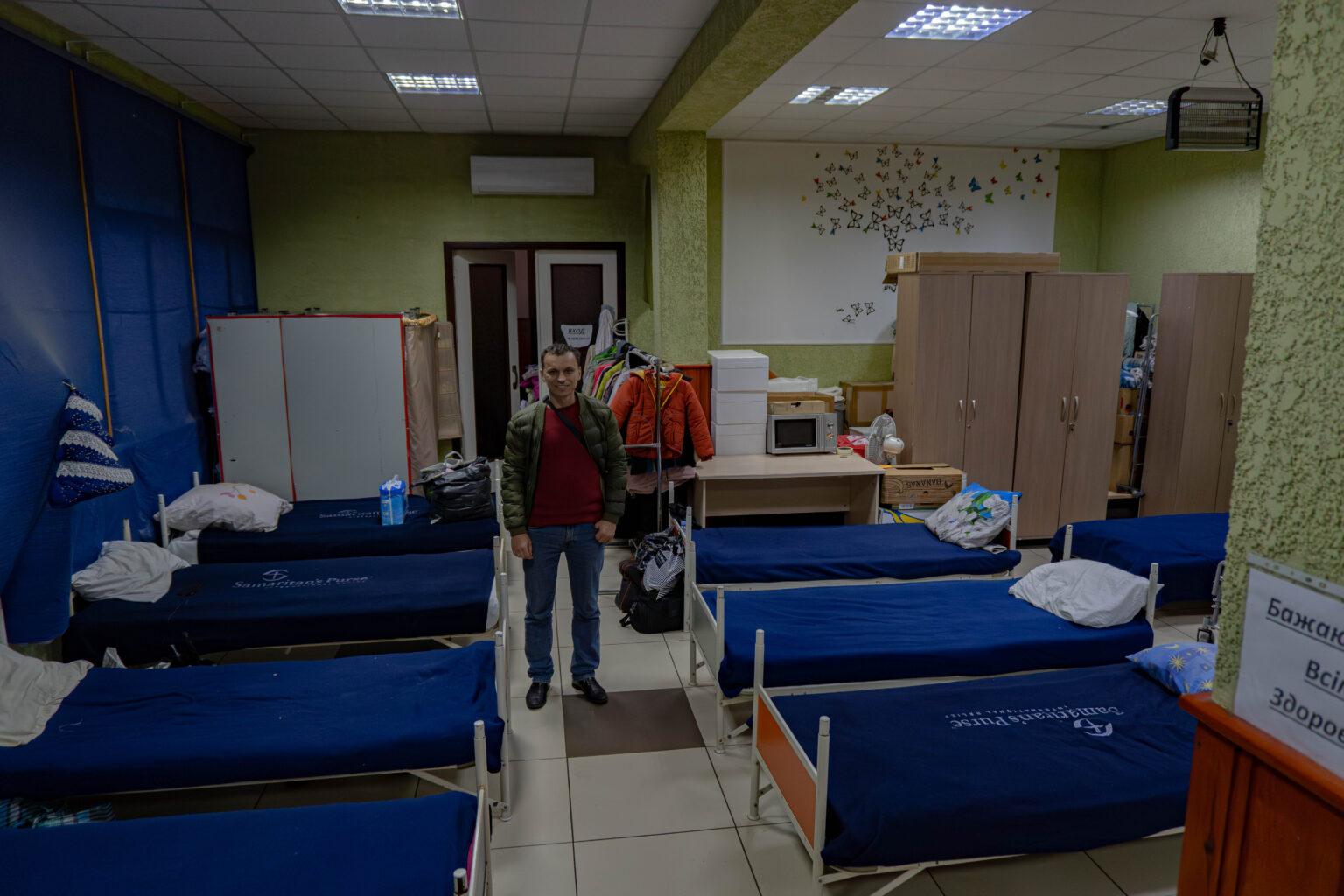
IDP (internally displaced people) center in Kramatorsk shelters civilians evacuated from nearby cities and villages
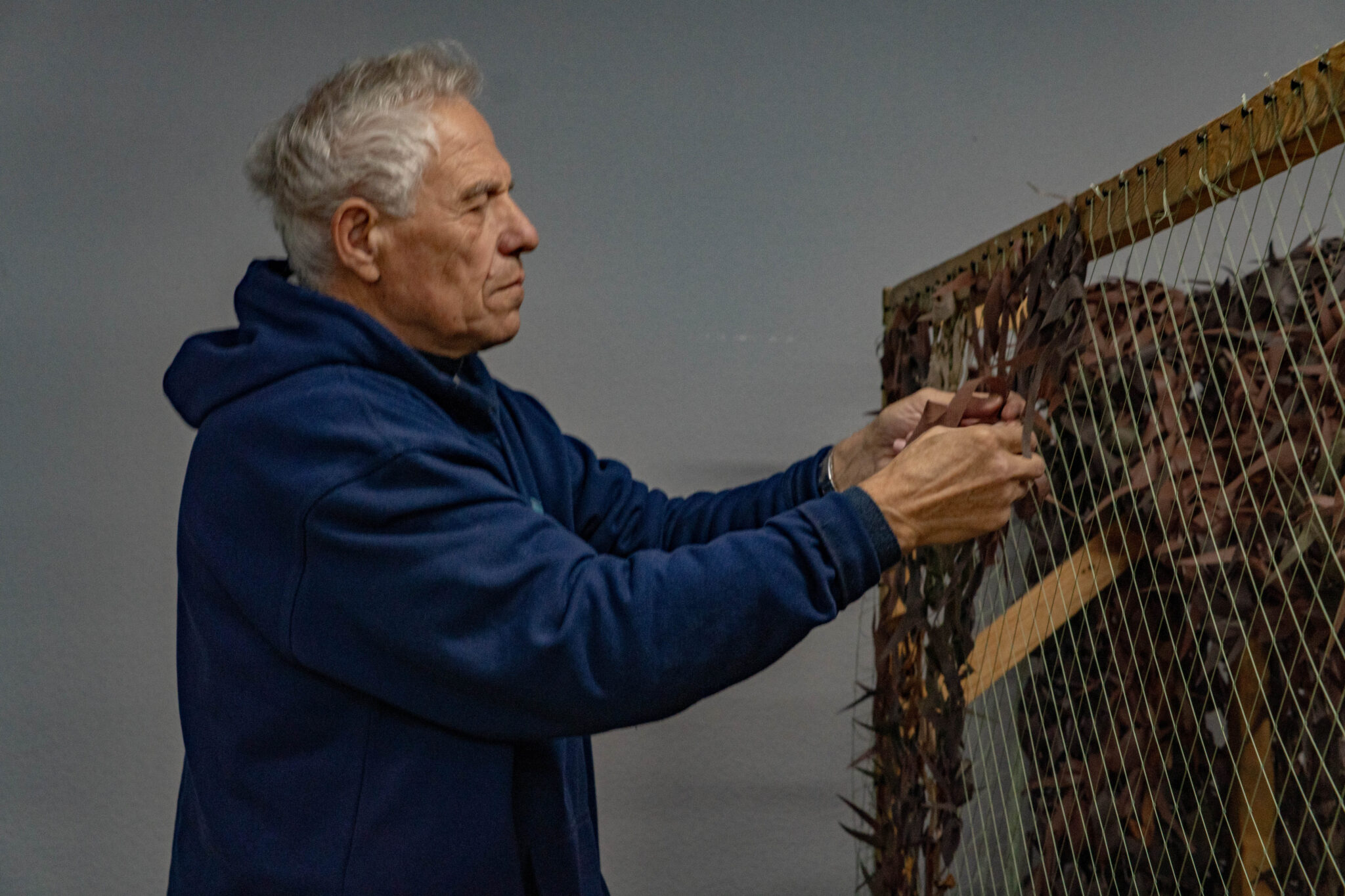
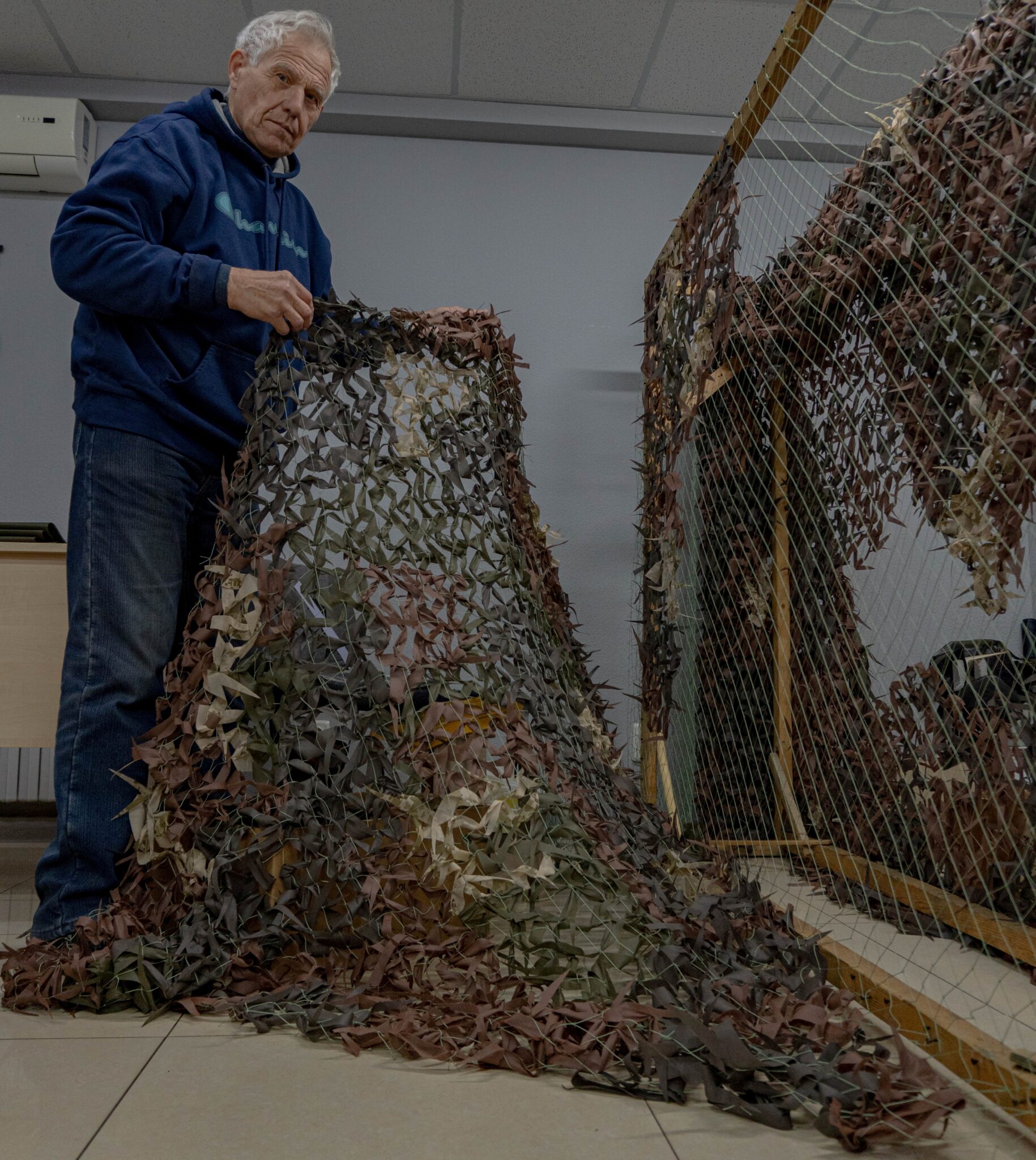
Civilian netting camouflage nets for soldiers and vehicles
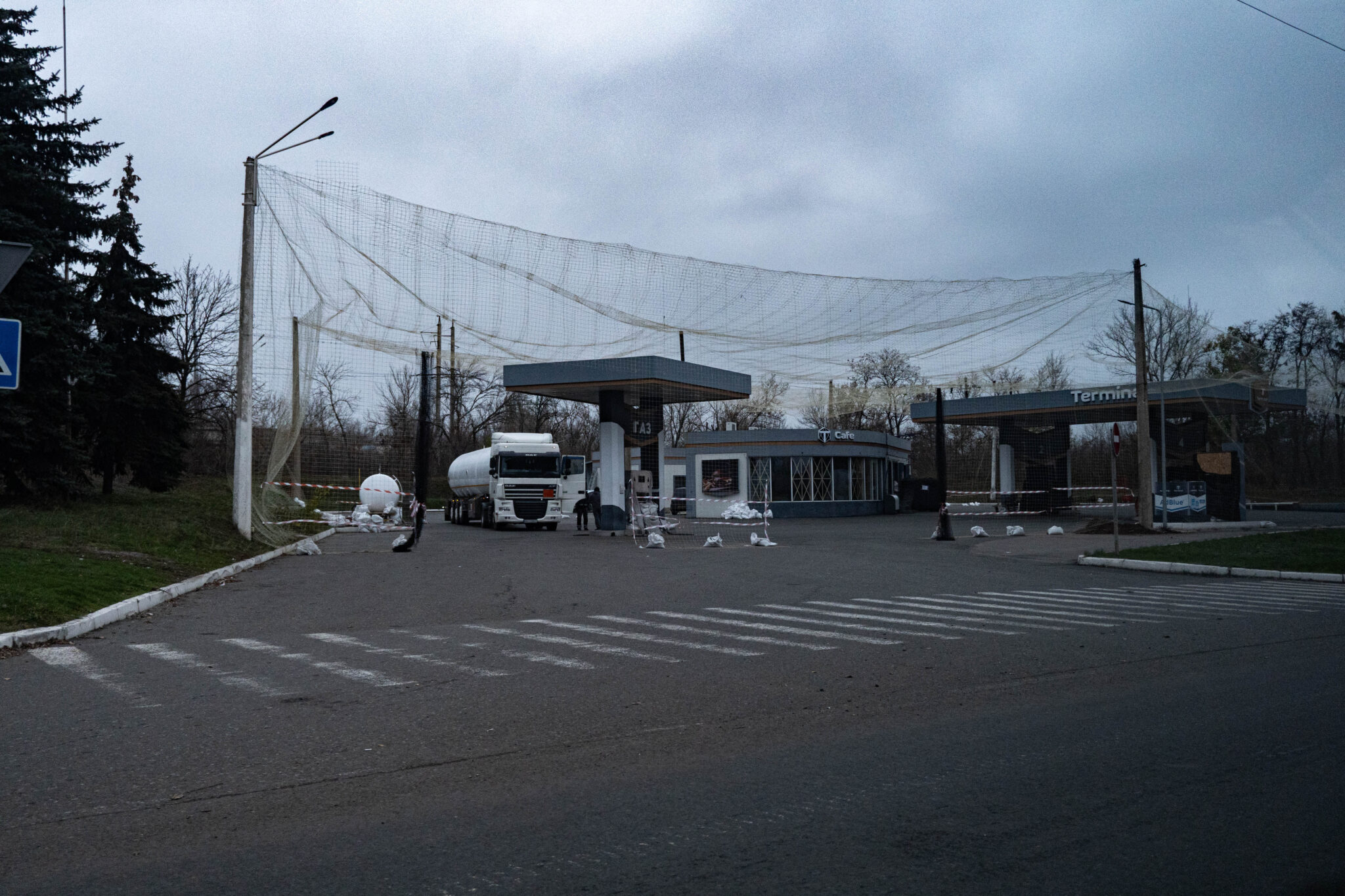
Gas station on the outskirts of the city, operating under its own drone net protection
On the ground, a difficult reality
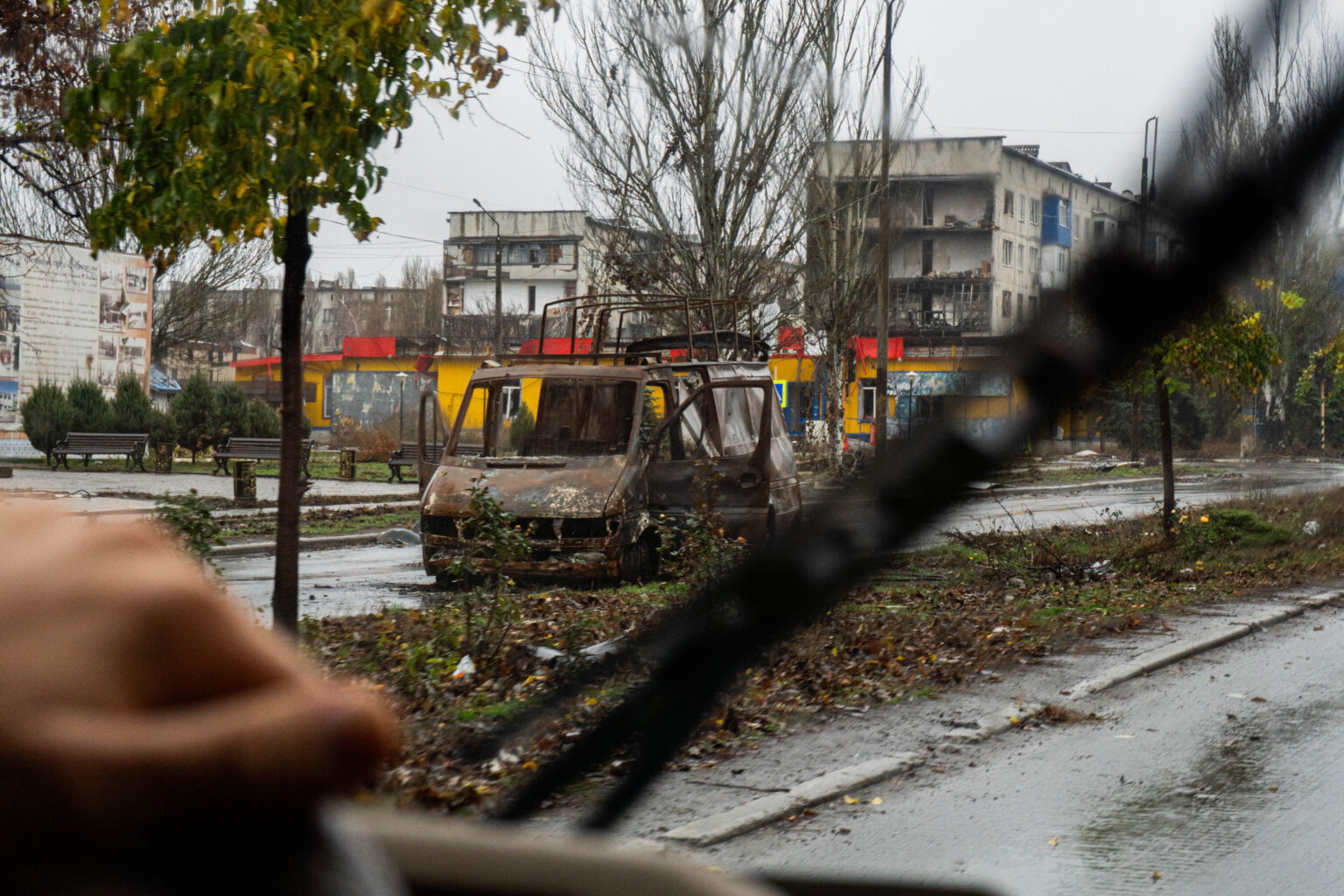
In the streets, the presence of soldiers in uniform and of armoured vehicles is omnipresent. In the background, the rumble of shelling is incessant—far enough away to be forgotten, yet just loud enough to be heard.
On the city’s Telegram radar channels, administrators warn daily of threats facing the city: ballistic missiles, Russian aviation activity, Shahed drones, or FPV drones. Due to Russian shelling of energy facilities, the city is regularly plunged into darkness. The streets then fill with the hum of private generators.
Outside the city, soldiers fight brutal Russian troops. A volunteer explained that it is common for Kremlin soldiers to place the heads of Ukrainian soldiers on spikes.
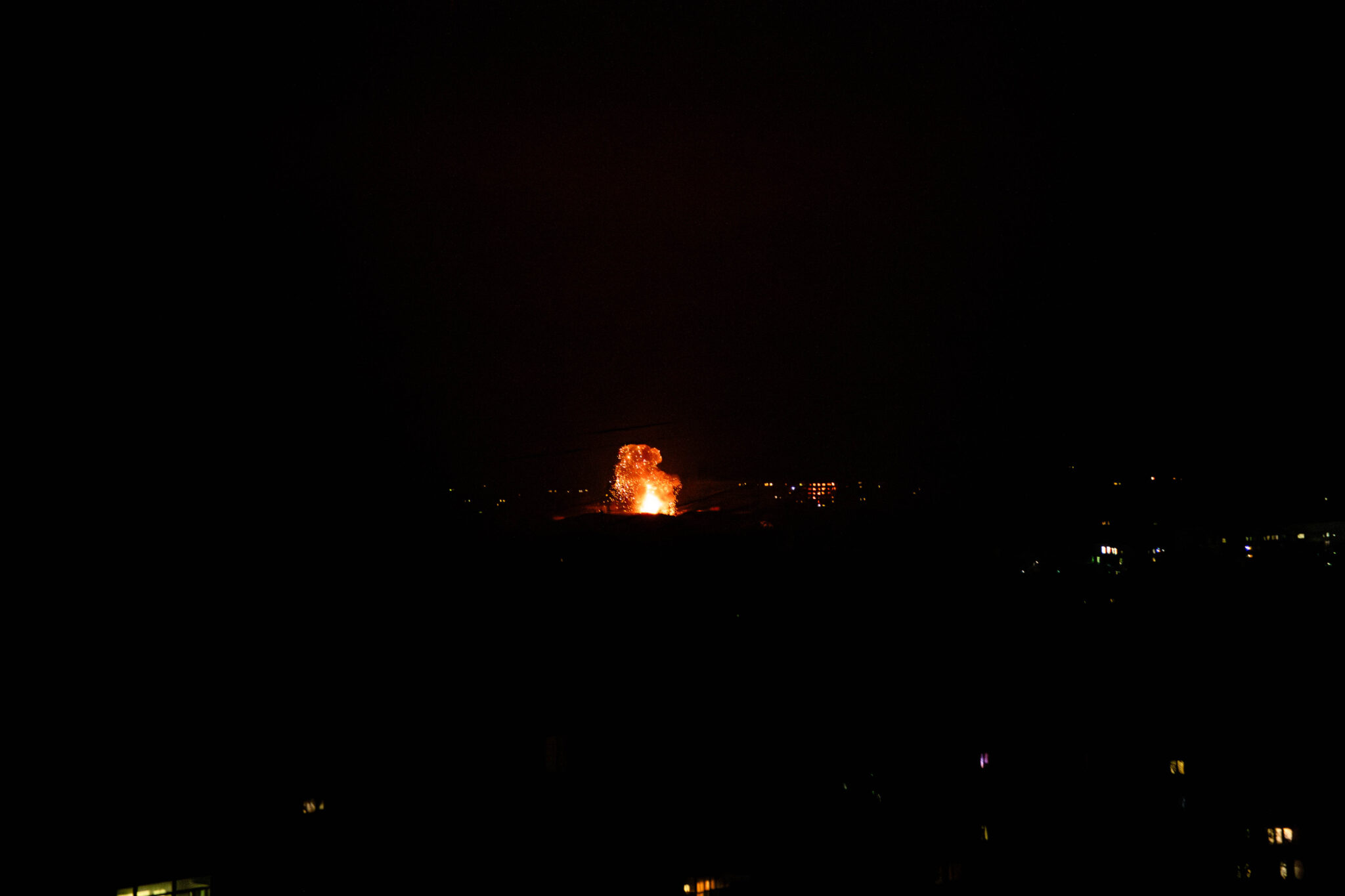
Shahed drone striking the city of Kramatorsk
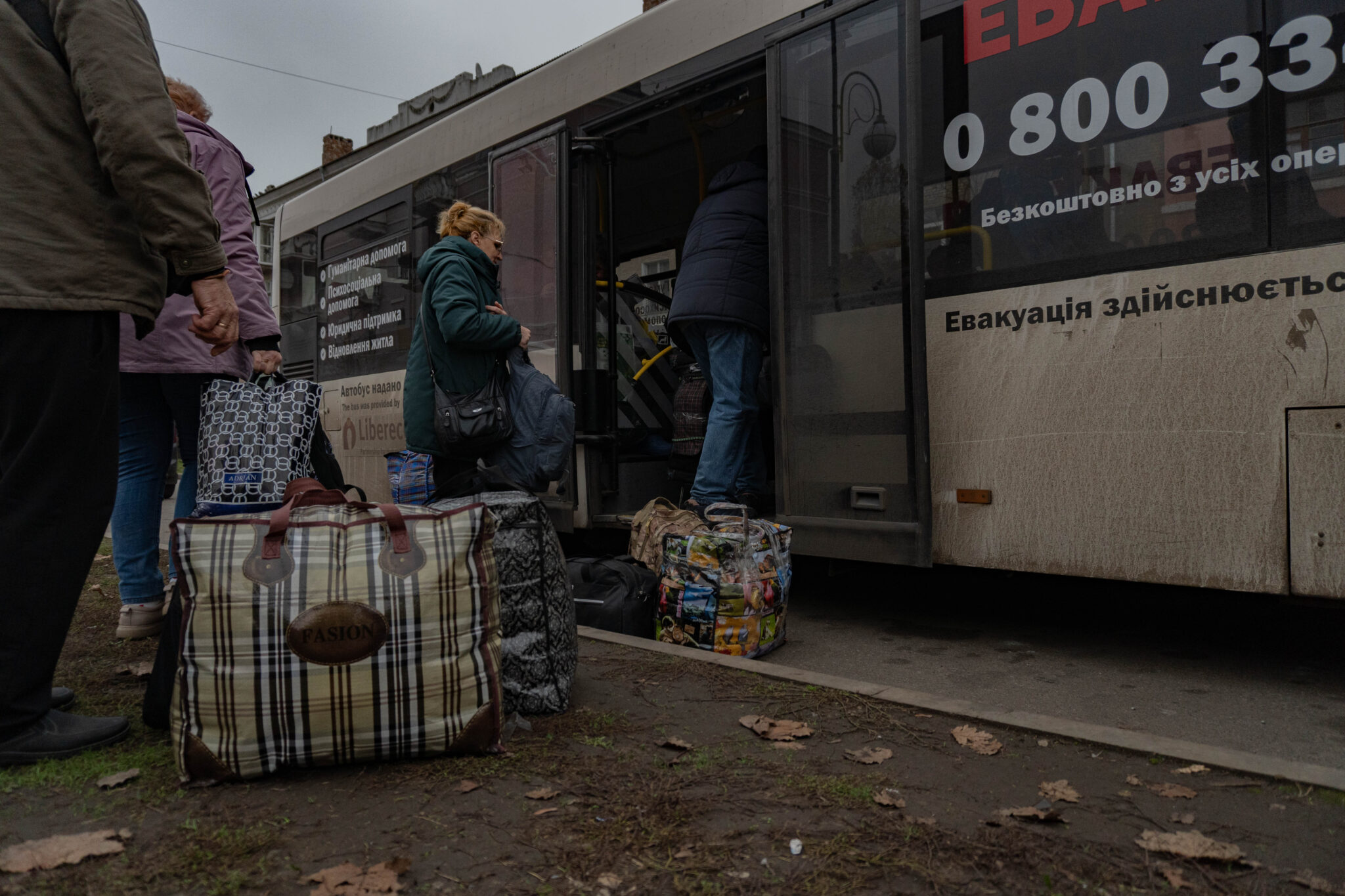
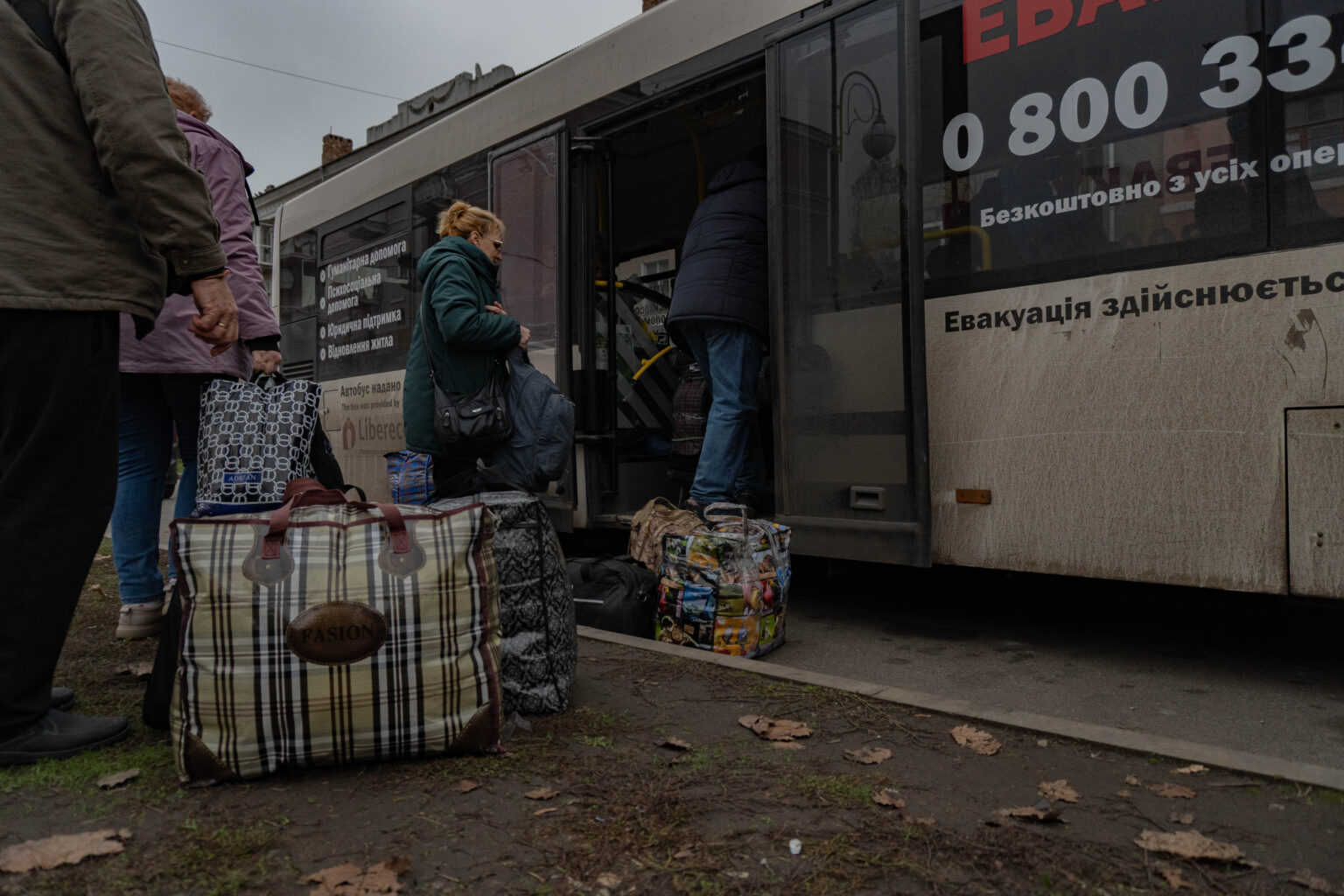
Civilians evacuating Kramatorsk with their belongings by bus
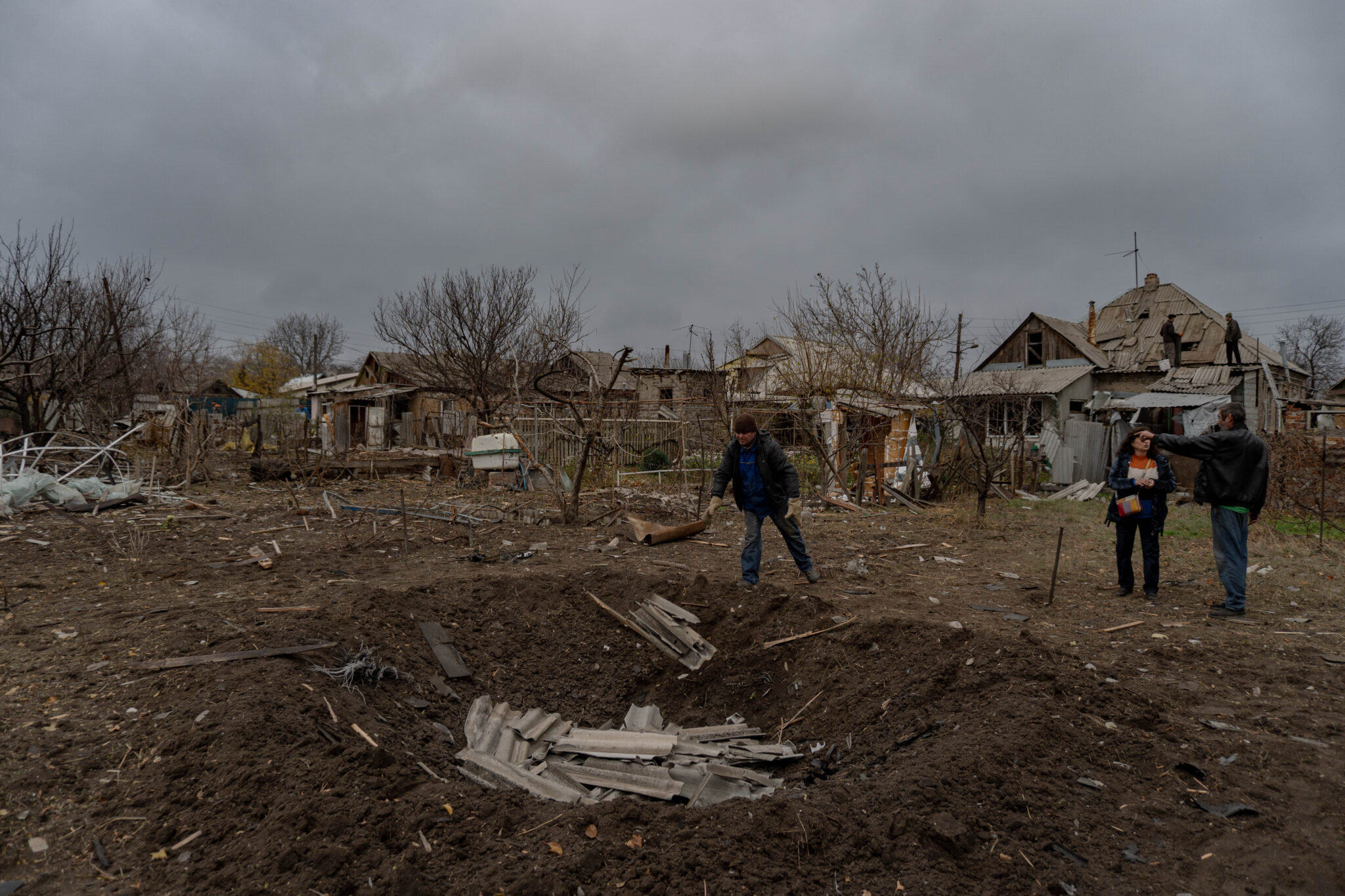
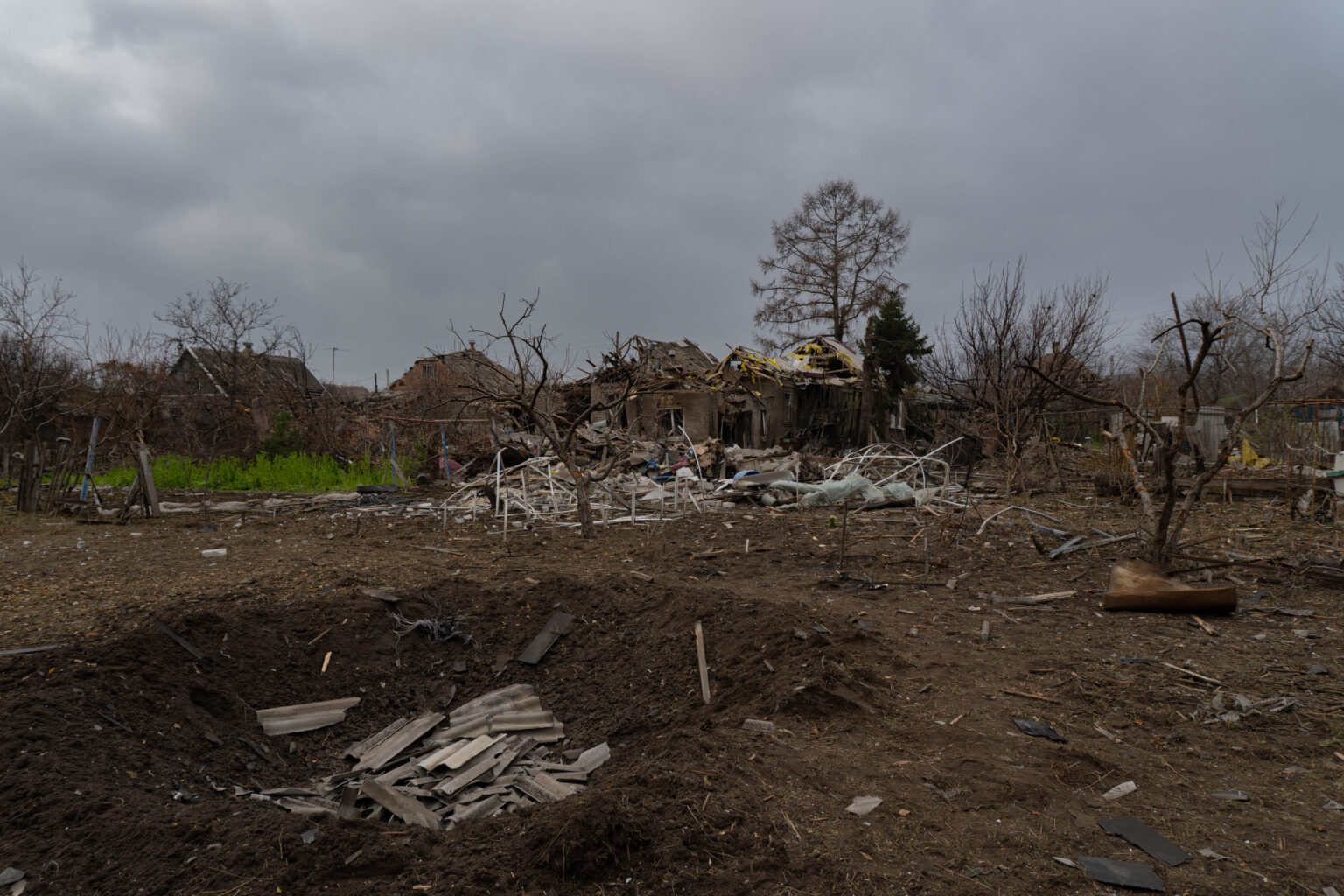
Residents clean their yard and home in the morning after a strike in their garden
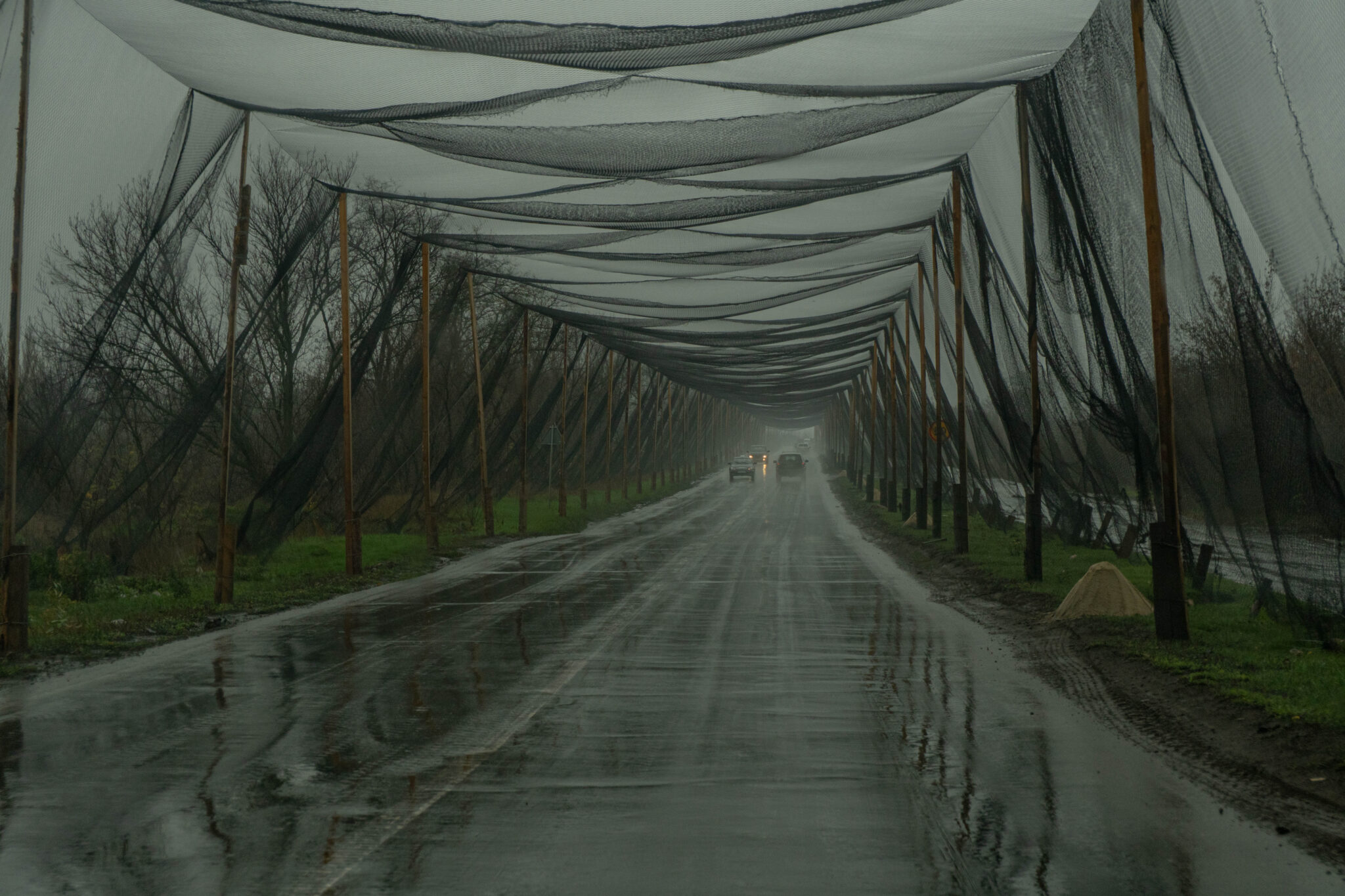
Roads all around Kramatorsk are being equipped with nets to protect them from FPV drone attacks on vehicles, both civilian and military
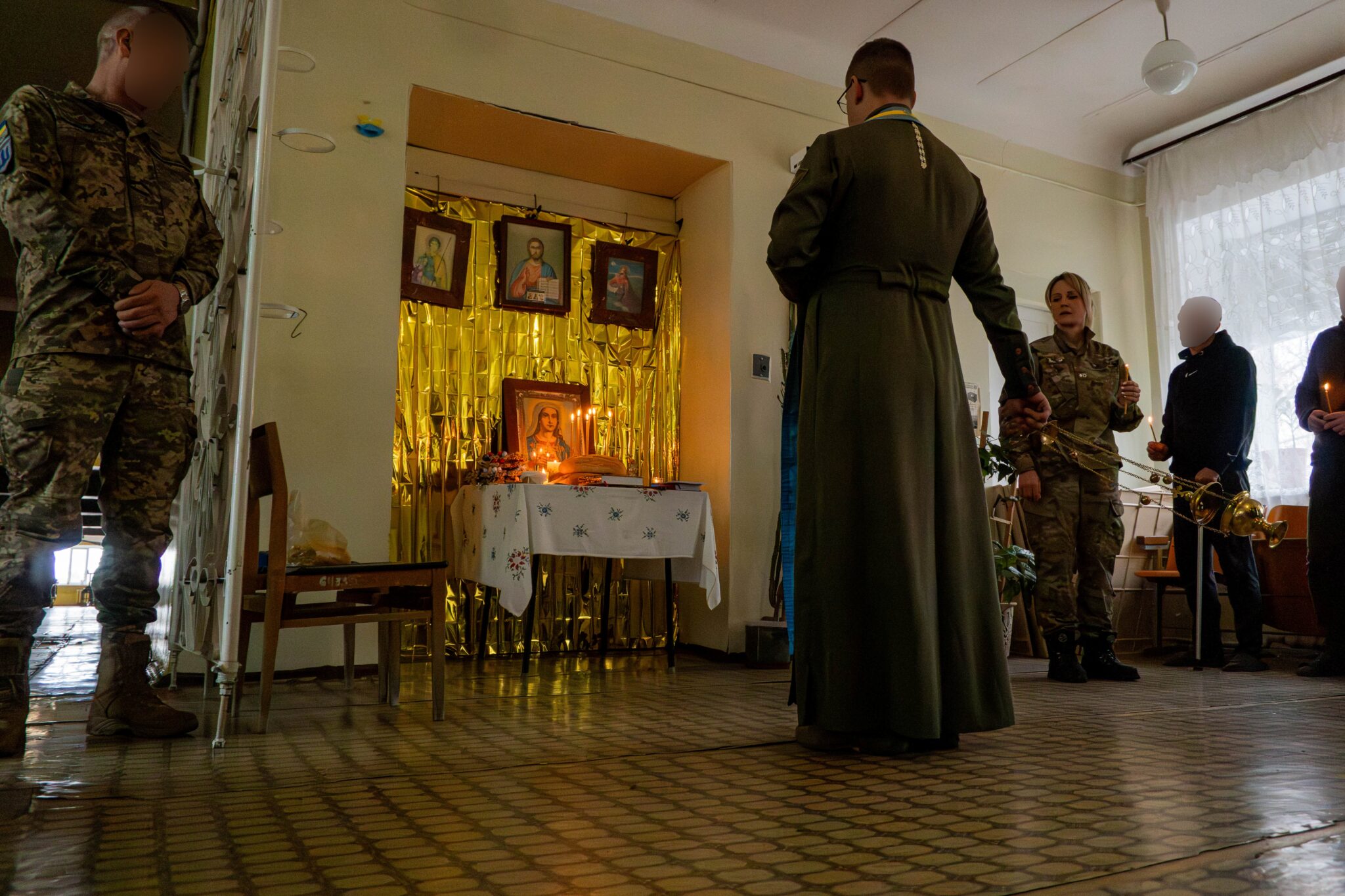
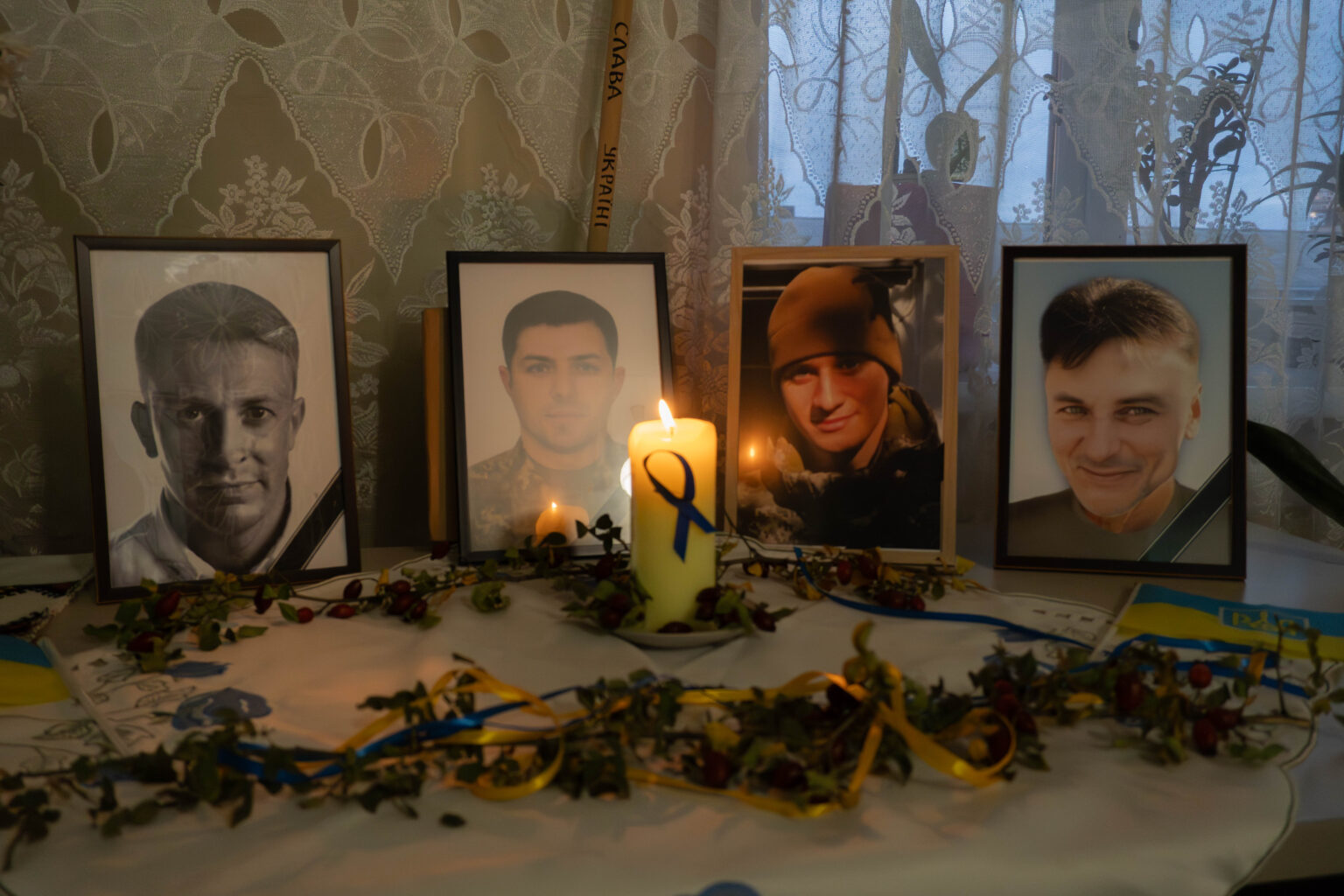
Soldiers commemorating their dead at a requiem
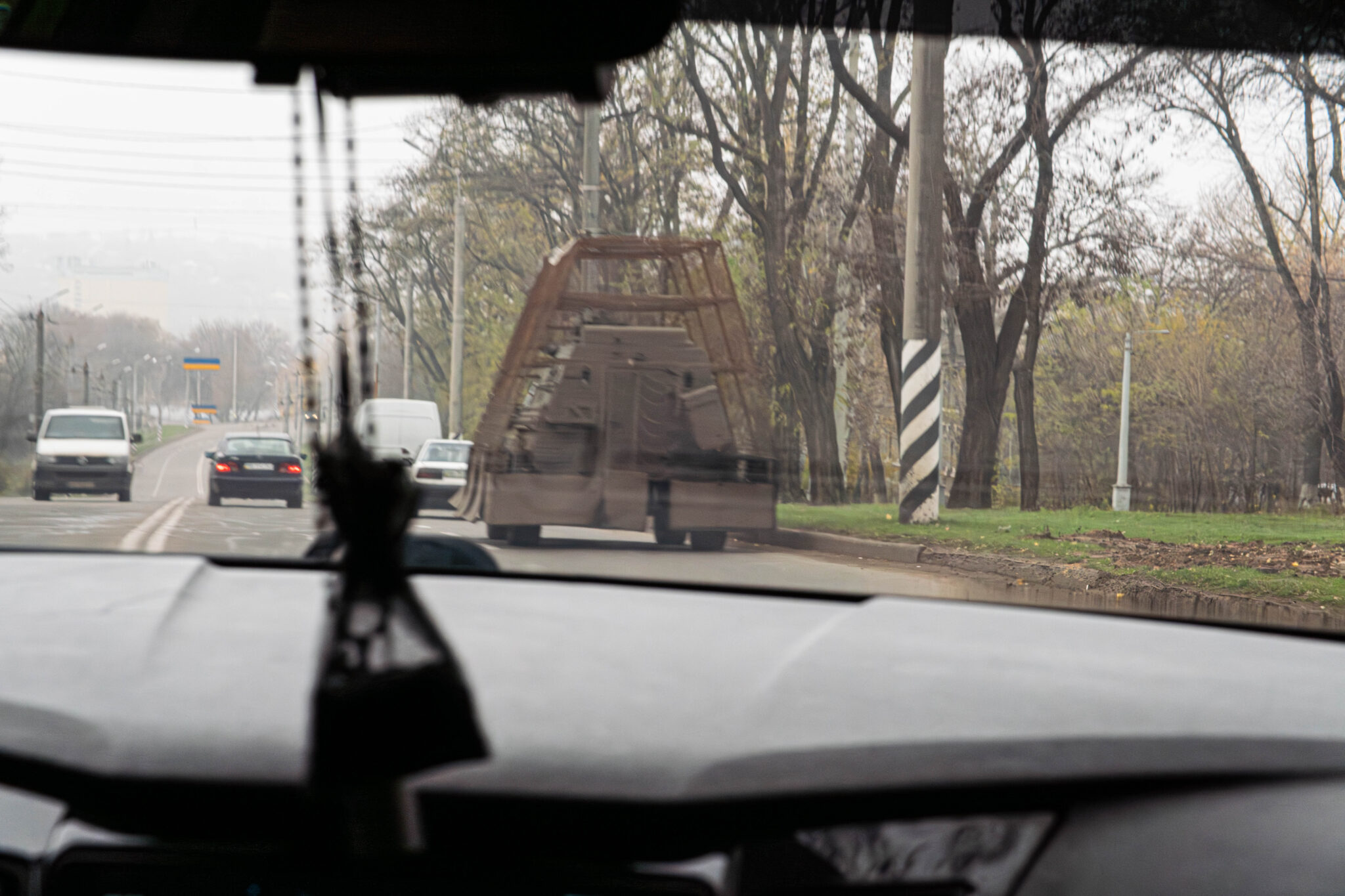
Amored vehicle with added metal grids so to further protection from drones
The testimonies of a siege
Conducted entirely in Kramatorsk, this project aims to show the war through the eyes of its inhabitants. Whether civilians, volunteers, or soldiers, they recount their daily lives and commitments. Each article, each « letter, » transcribes a voice, a perspective on this city caught in war, in the hope of sharing their realities.
Drawing closer to the front means drawing closer to those who fight—and those who fall. Commemorations allow families and soldiers to remember their loved ones. Attending a military requiem is a way to bear witness to their loss, their grief, and their longing for justice.
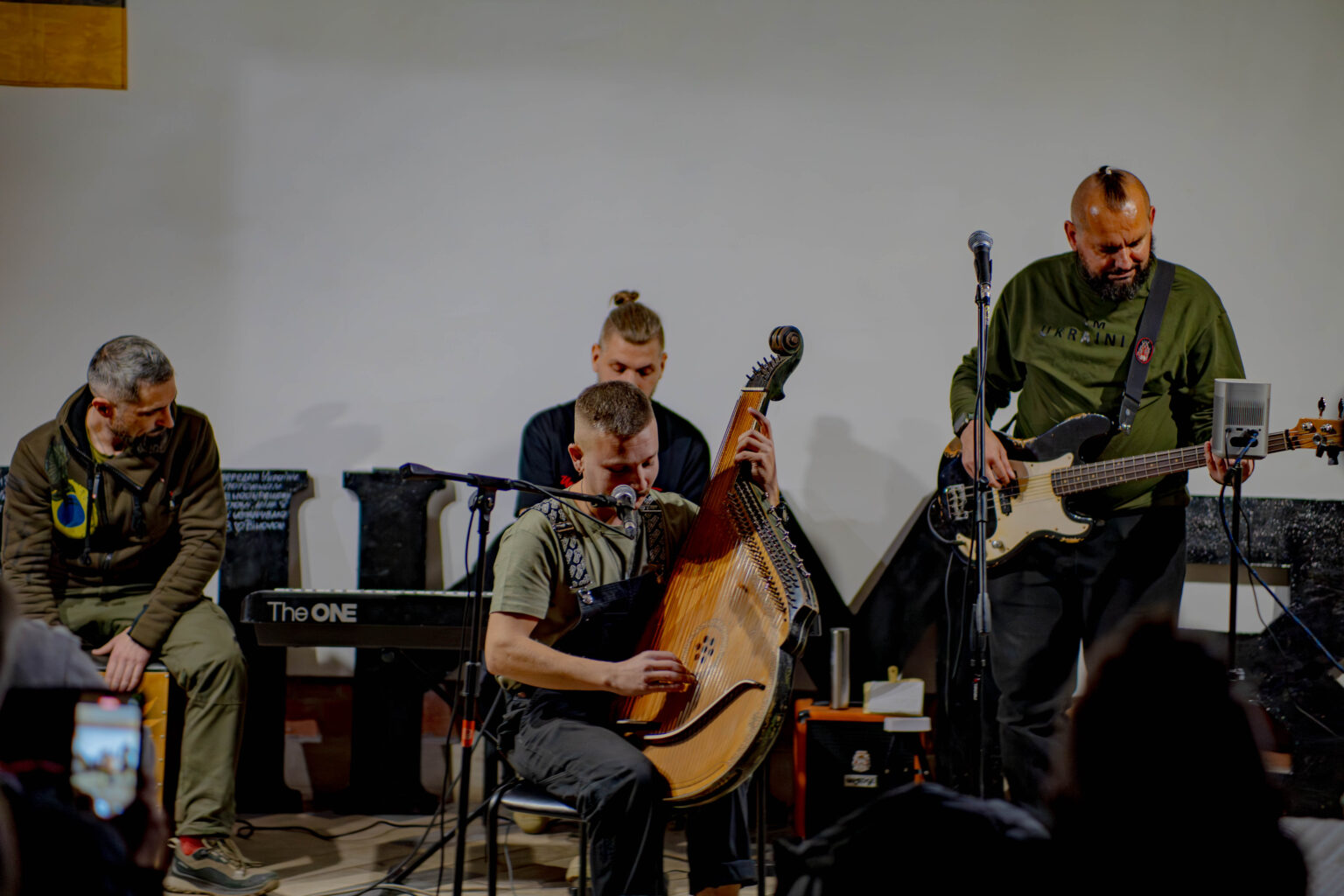
Ukraine is facing Clausewitz’s “total war.” For Ukrainians, Russia seeks to erase their country’s identity. As a result, Ukrainians are mobilising all their resources to fight, including art.
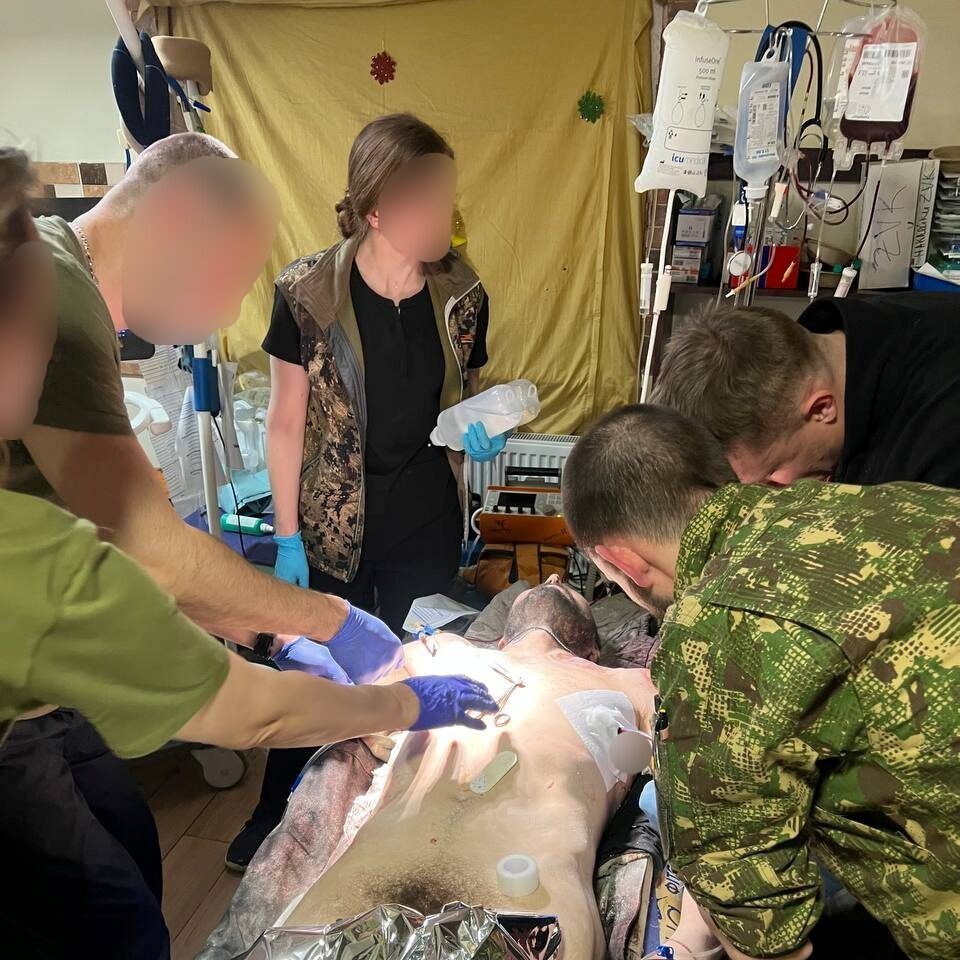
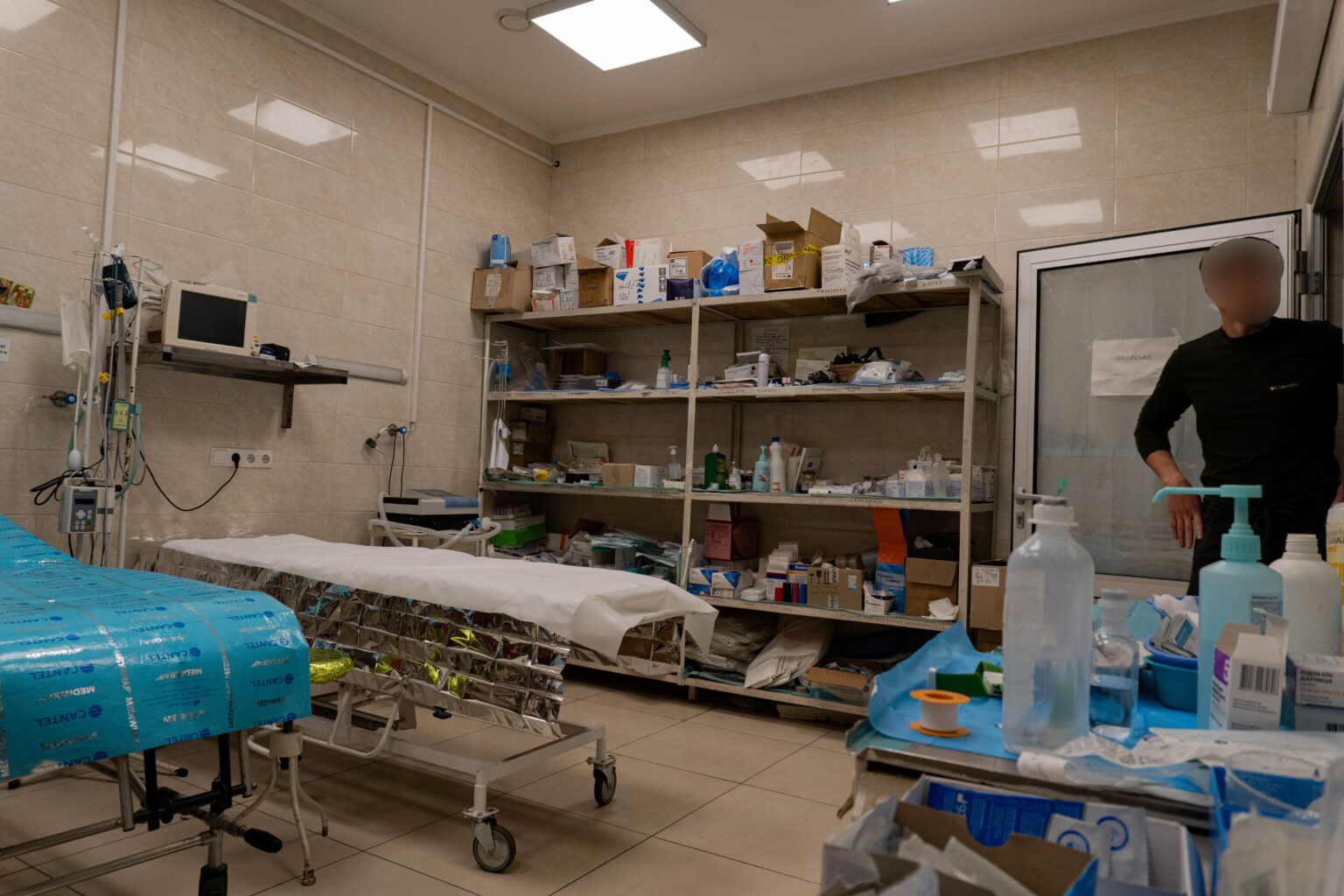
Near the front lines, Russia does not hesitate to target and destroy hospital infrastructure. Despite the heavy influx of wounded, military surgeons adapt and persist; here is their testimony.
Sofiia* is a civilian anesthesiologist. Initially, nothing destined her to treat war casualties. Since 2022, she has had to adapt her practice to the realities of a front that draws ever closer.
“There was a strike last night in my street,” my translator writes to me in the morning. A message, above all, of relief, though hardly surprising. “Come, I will show you now,” she decides when we meet later that morning.
As winter approaches, Russian forces strike Ukraine’s energy infrastructure. In Kramatorsk, despite the population’s resilience, these attacks remain a source of pain that residents endure with restraint.
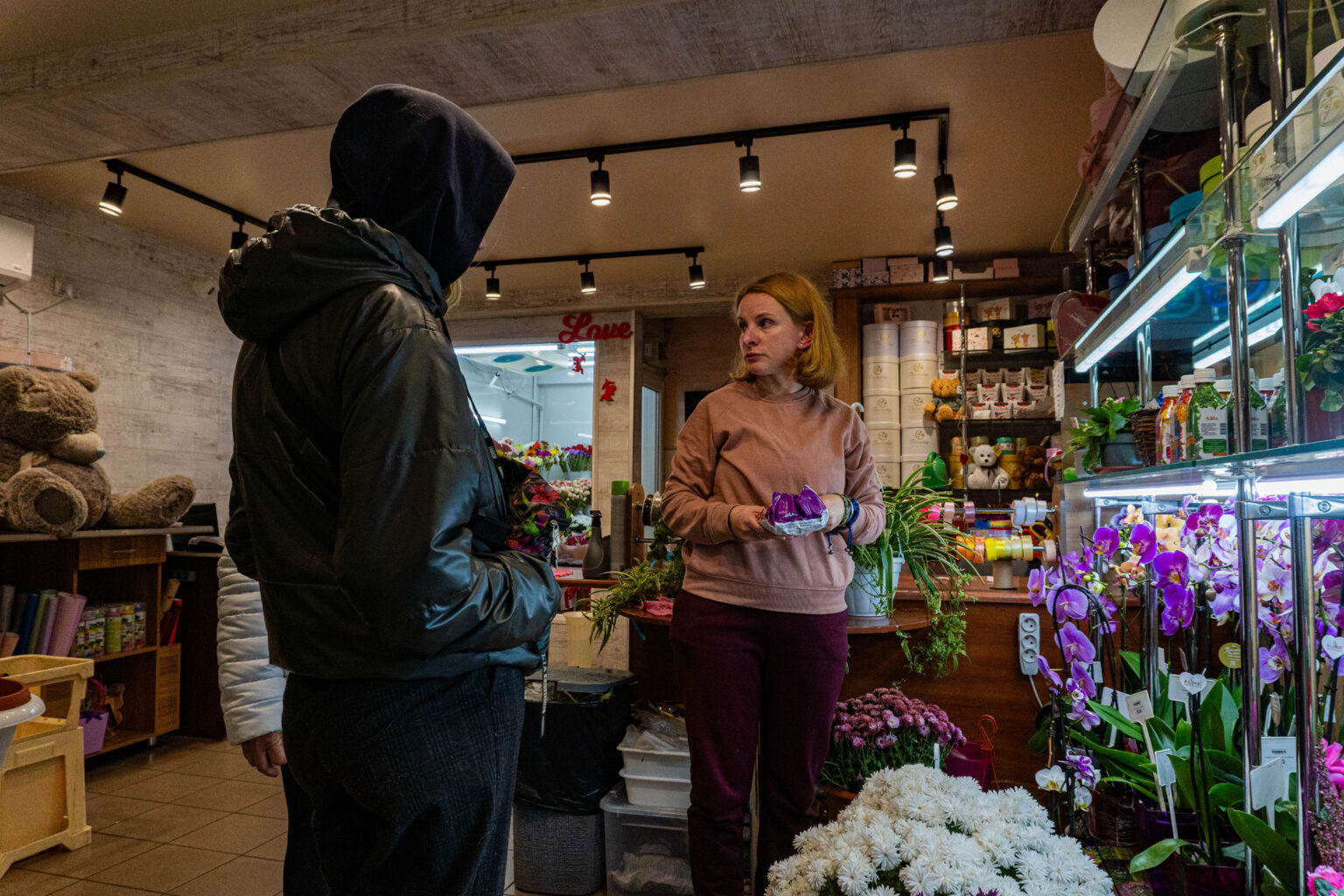
Natalia is a sales assistant in a flower shop in Kramatorsk, where she was born in 1985 and has lived her entire life. As an active shopkeeper, she recounts the daily life of a besieged city — a life shared between soldiers and civilians, punctuated by explosions.
For some, war has overtaken every aspect of daily life; it has become a reason to exist. Regardless of age, even elderly people contribute to the war effort. In Kramatorsk, some dedicate their time to making camouflage nets for soldiers.
The front line continues to creep closer to Kramatorsk, meter by meter, relentlessly. In his church, Pavenka, a Protestant pastor, sees the war as both a humanitarian struggle and a spiritual trial.
Varvara is originally from Kramatorsk. As a volunteer in a civilian evacuation organization, her experience allows her to foresee what awaits her hometown.
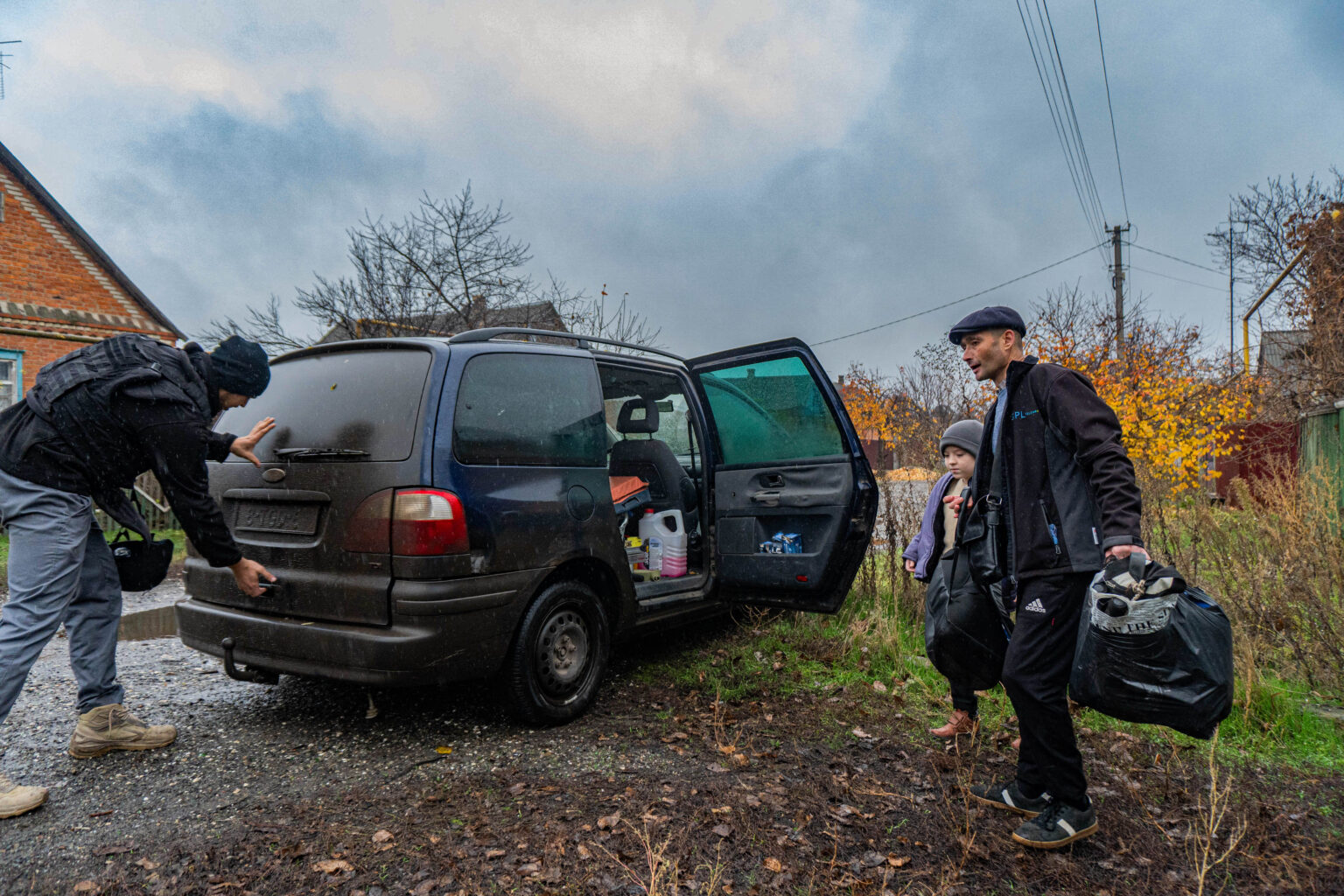
Close to the front line, many civilians wait until conditions become unbearable before agreeing to leave. Evacuations reveal fears that are often stronger than the dangers of war.
In the evening, half the windows in Kramatorsk are dark. The front line is approaching, and the population has already begun to leave the city. Every morning, volunteers organize buses to help residents evacuate.
At man’s height, between the lines — Little Frenchy